Understanding the Difference Between Cross Flow and Counter Flow Evaporative Condensers
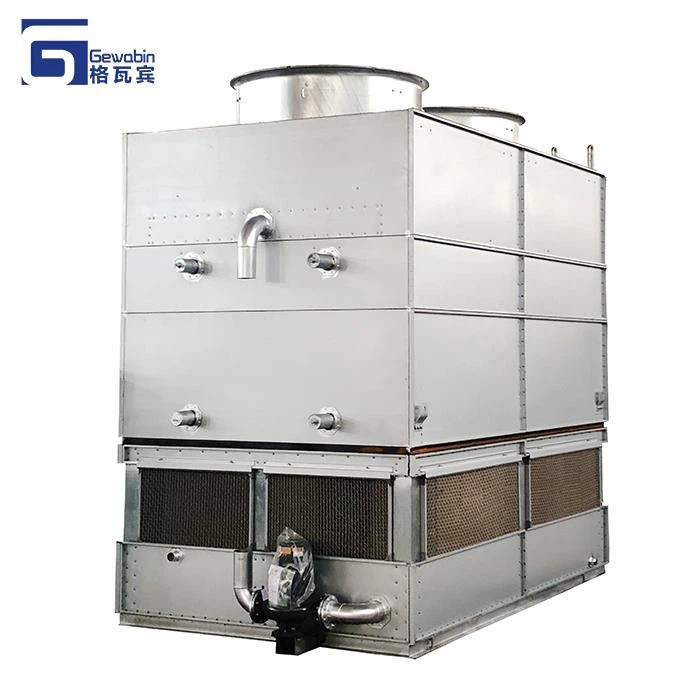
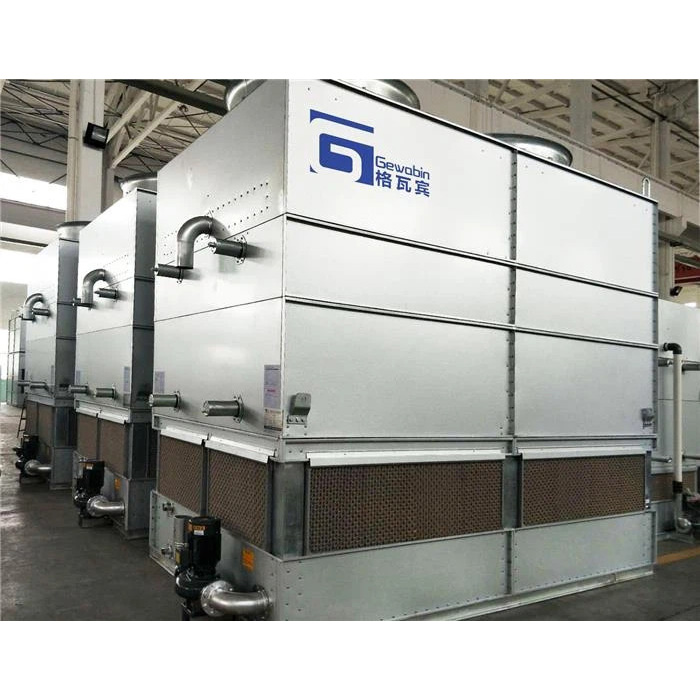
Evaporative condensers are essential components in industrial refrigeration systems, widely used in industries such as food and beverage processing, cold storage, chemicals, energy, and manufacturing. Their primary function is to remove heat from the refrigeration system by condensing refrigerant vapor into liquid form using a combination of air and water. Among the most common designs are cross flow and counter flow evaporative condensers. Understanding the differences between these two types is critical for selecting the most suitable solution for specific operating conditions and performance requirements. Both cross flow and counter flow evaporative condensers operate on the same fundamental principle: heat is transferred from the hot refrigerant inside the coil to water sprayed over the coil, while air is drawn through the unit to evaporate part of the water and remove heat. However, the direction in which air and water move relative to each other and to the refrigerant coil differs significantly between the two designs. In a cross flow evaporative condenser, air flows horizontally across the falling water and the refrigerant coil. In contrast, a counter flow evaporative condenser uses a vertical airflow that moves upward, opposite to the downward flow of water. This difference in flow arrangement has a direct impact on efficiency, footprint, maintenance, and application suitability.
Cross flow evaporative condensers are designed with air entering from the sides of the unit and passing horizontally through the wetted coil. Water is distributed from the top and flows downward by gravity. This design allows for a relatively simple internal structure and typically results in lower air pressure drop. One of the main advantages of cross flow evaporative condensers is their ease of maintenance. The open design allows for easier access to internal components such as spray systems, drift eliminators, and coils. This makes inspection and cleaning more convenient, reducing maintenance time and costs. Additionally, cross flow units generally operate with lower fan power consumption, which can contribute to reduced energy costs under certain conditions. However, cross flow condensers usually require a larger footprint compared to counter flow designs. Their cooling efficiency may also be slightly lower in high-capacity or high-ambient-temperature applications, making them more suitable for medium-scale refrigeration systems or installations where space is not a major constraint.
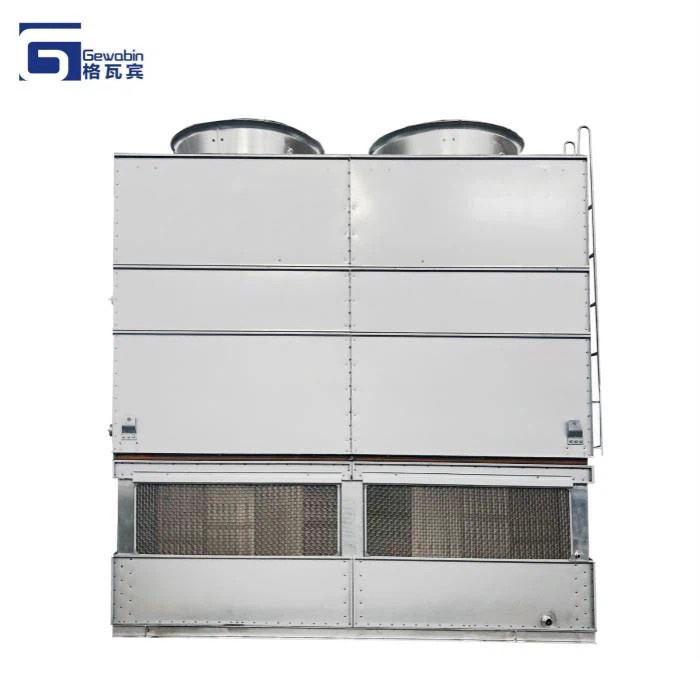
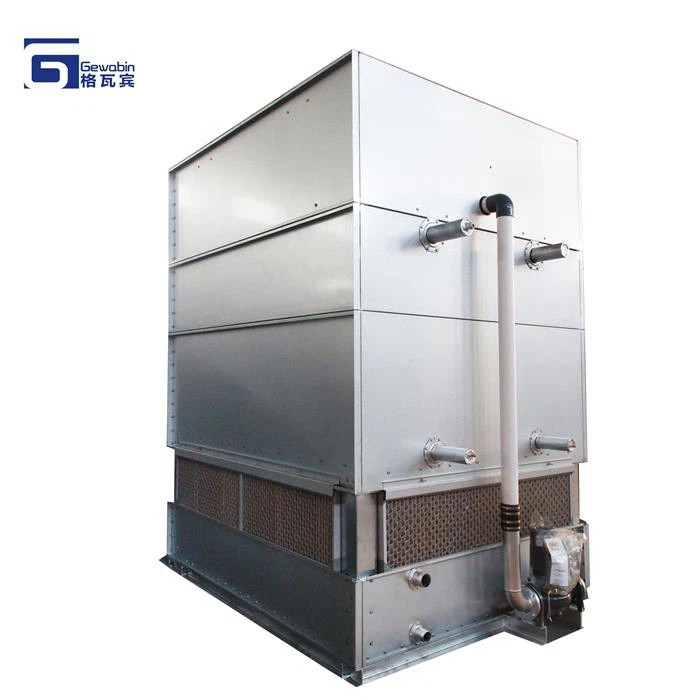
Counter flow evaporative condensers are engineered with air moving upward against the downward flow of water. This opposing flow arrangement maximizes the contact time between air and water, resulting in more effective heat transfer. As a result, counter flow condensers are generally more thermally efficient than cross flow models. Due to their compact vertical design, counter flow evaporative condensers require less installation space, making them ideal for facilities with limited footprints. They are commonly used in large-scale industrial refrigeration systems where high performance and energy efficiency are critical. The improved heat exchange efficiency allows counter flow condensers to handle higher heat loads and perform better in hot or demanding operating environments. The main trade-off is that counter flow designs typically involve higher air pressure drop, which may require more fan power. Maintenance access can also be slightly more complex due to the compact structure, although modern designs have addressed many of these challenges through improved access panels and modular components.
When choosing between cross flow and counter flow evaporative condensers, several factors should be considered. These include cooling capacity requirements, available installation space, energy efficiency goals, maintenance preferences, and local climate conditions. Cross flow units may be preferable for projects prioritizing ease of maintenance and lower initial costs, while counter flow units are often selected for high-efficiency applications with limited space or higher performance demands. Both cross flow and counter flow evaporative condensers offer reliable and effective cooling solutions, but their design differences make each suitable for specific applications. Cross flow condensers provide simplicity, easier maintenance, and lower pressure drop, while counter flow condensers deliver superior thermal efficiency and compact installation. By understanding these differences, businesses can make informed decisions and select the evaporative condenser that best supports their operational requirements, energy efficiency objectives, and long-term performance goals.