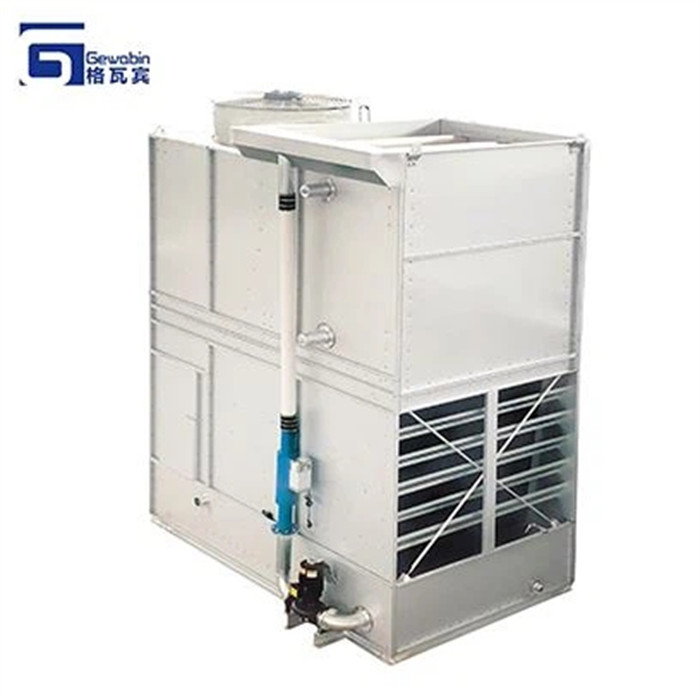
Considerations When Purchasing Air-Cooled Evaporative Condensers
Air-cooled evaporative condensers are an important solution in modern industrial refrigeration, combining the benefits of evaporative cooling with reduced water dependency. They are widely used in industries such as food processing, cold storage, chemicals, and manufacturing, where efficient heat rejection and reliable performance are essential. However, selecting the right unit requires a careful evaluation of technical, environmental, and operational factors to ensure long-term efficiency and cost-effectiveness. One of the most important considerations is cooling capacity. The condenser must be properly sized to handle the system’s heat rejection requirements under both normal and peak operating conditions. Factors such as refrigeration load, ambient temperature, humidity, and the type of refrigerant used all influence capacity selection. An undersized condenser can lead to insufficient cooling and system instability, while an oversized unit may increase initial investment and reduce operational efficiency. It is also wise to consider future expansion needs when determining the appropriate capacity.
Environmental conditions play a significant role in performance and durability. Air-cooled evaporative condensers are directly exposed to ambient air, so factors such as temperature, humidity, dust, and corrosive elements must be taken into account. In coastal or industrial areas where salt or chemicals are present, corrosion-resistant materials such as stainless steel or specially coated components are essential to prevent premature wear. Proper design adaptation to local climate conditions ensures consistent performance and longer service life. Energy efficiency is another key factor, as refrigeration systems often operate continuously. Choosing a condenser with high-efficiency fans, optimized coil designs, and effective airflow management can significantly reduce energy consumption. Many modern systems are equipped with variable frequency drives (VFDs), which allow fan speeds to adjust according to real-time cooling demand. This not only improves efficiency but also reduces energy costs and mechanical stress on system components.
Although air-cooled evaporative condensers use less water than traditional evaporative systems, water management is still an important consideration. Efficient spray systems, proper water distribution, and high-quality drift eliminators help minimize water loss and ensure effective heat transfer. Water quality should also be assessed, as poor-quality water can lead to scaling, fouling, and corrosion, which negatively impact system performance and increase maintenance requirements. Material selection and construction quality are critical for ensuring long-term reliability. Components such as coils, casing, and structural frames must be designed to withstand environmental stress, thermal expansion, and continuous operation. High-quality materials not only improve durability but also reduce maintenance frequency and extend equipment lifespan. Investing in robust construction can significantly lower the total cost of ownership over time.
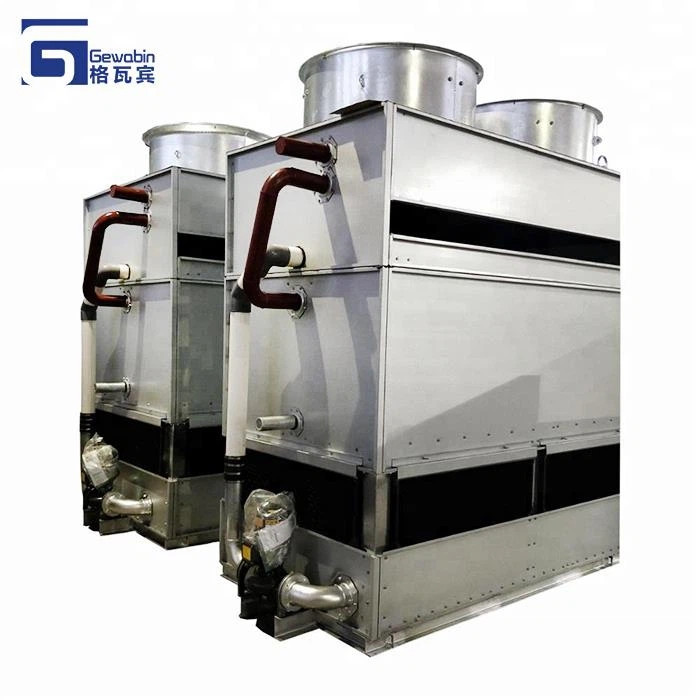
Maintenance accessibility is another practical consideration. Equipment should be designed for easy inspection, cleaning, and servicing. Features such as removable panels, accessible spray systems, and modular components simplify routine maintenance and reduce downtime. Efficient maintenance design is especially important in industrial applications where uninterrupted operation is essential. Noise levels may also influence the selection process, particularly for installations near residential or commercial areas. Low-noise fan designs, vibration control features, and optional sound attenuation systems can help meet regulatory requirements and improve the working environment. Considering noise at the design stage helps avoid potential compliance issues and costly modifications later.
Customization capabilities are increasingly important in today’s industrial applications. Every business has unique operational needs, and the ability to tailor condenser specifications—such as size, materials, airflow configuration, and control systems—ensures optimal performance. Working with a manufacturer that offers strong OEM and engineering support allows businesses to develop solutions that align closely with their operational goals. Finally, supplier reliability and after-sales support should not be overlooked. Choosing a reputable manufacturer with proven experience ensures product quality and dependable performance. Access to technical support, spare parts, and maintenance services is essential for maintaining system efficiency over time. A strong partnership with the supplier can greatly enhance operational stability and peace of mind.
In conclusion, purchasing an air-cooled evaporative condenser involves more than just selecting equipment based on price. Careful consideration of capacity, environmental conditions, energy efficiency, materials, maintenance, and supplier support is essential to ensure a reliable and cost-effective solution. By taking a comprehensive approach to selection, businesses can invest in equipment that delivers consistent performance, reduces operational costs, and supports long-term industrial success.