How Evaporative Condensers Reduce Water Consumption in Industrial Cooling
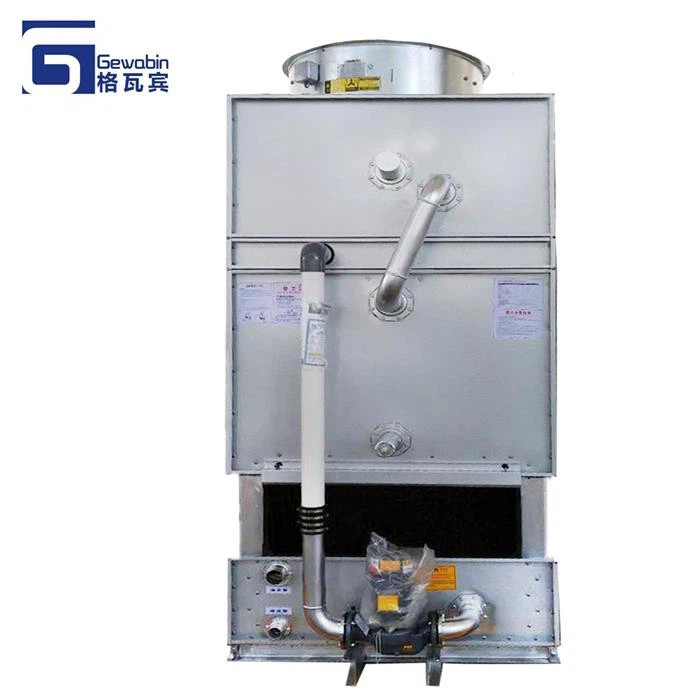
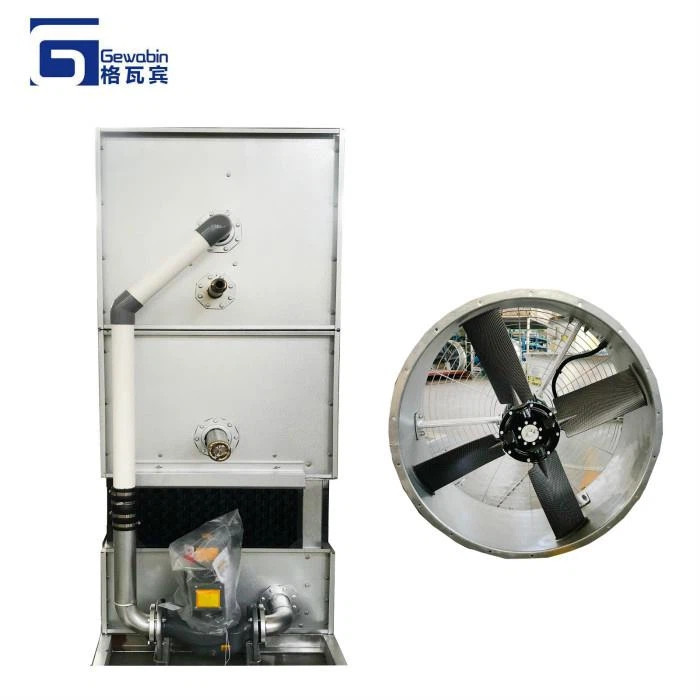
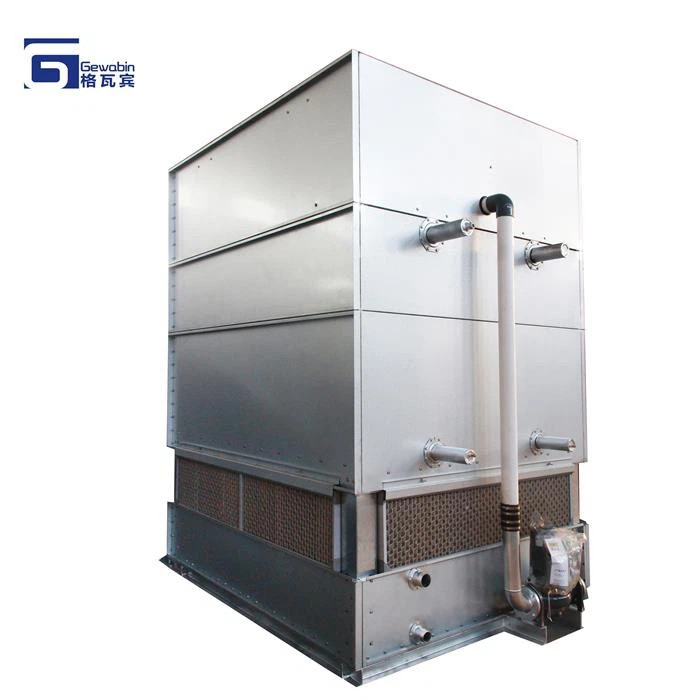
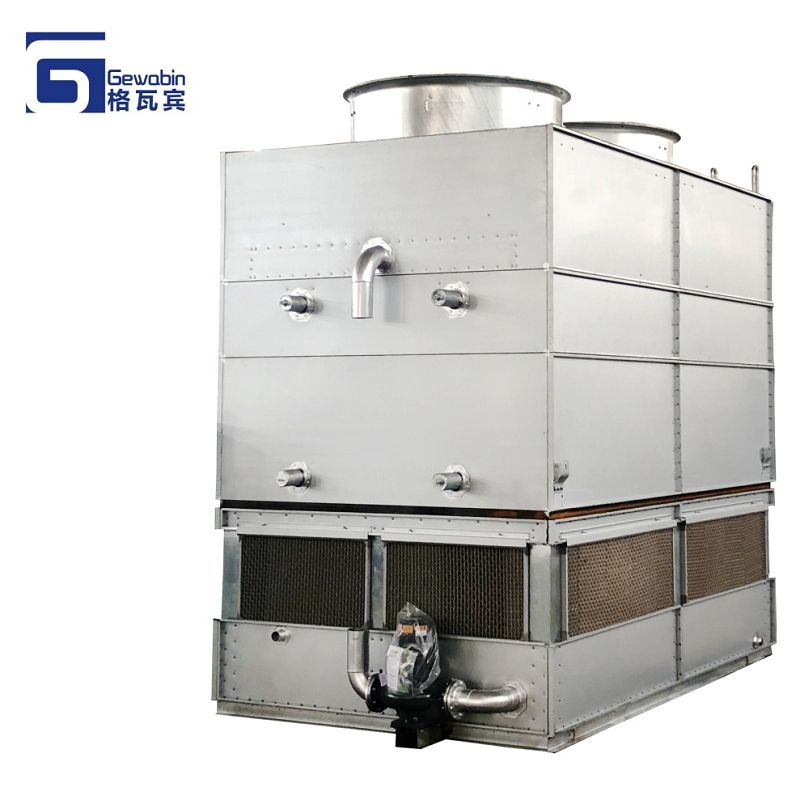
Water management has become an increasingly important concern in industrial operations, especially in sectors that rely heavily on cooling systems. Industries such as food processing, chemical manufacturing, power generation, and refrigeration require efficient heat rejection to maintain stable operations. At the same time, rising environmental awareness and regulatory pressures are pushing companies to minimize water usage. Evaporative condensers offer a highly effective solution by combining efficient cooling performance with optimized water consumption. Evaporative condensers operate on the principle of evaporative cooling, where a small portion of water evaporates to remove a large amount of heat from the system. In this process, warm refrigerant vapor flows through a coil while water is sprayed over its surface. Air is drawn through the unit, causing part of the water to evaporate and carry away heat. Because evaporation is a highly efficient heat transfer mechanism, evaporative condensers require significantly less water compared to traditional once-through water cooling systems.
One of the key ways evaporative condensers reduce water consumption is through recirculation. Instead of continuously discharging heated water and replacing it with fresh supply, these systems reuse water within a closed or semi-closed loop. Only a small amount of water is lost through evaporation, drift, and blowdown. This recirculating design dramatically lowers overall water usage compared to systems that rely on constant water flow, making evaporative condensers a more sustainable option for industrial cooling. Another important factor is the efficiency of heat transfer. Evaporative condensers operate close to the ambient wet-bulb temperature, which is lower than the dry-bulb temperature used in air-cooled systems. This allows them to achieve effective cooling with less water volume. Because the cooling process is more efficient, less water is required to achieve the same level of heat rejection, further contributing to water savings.
Modern evaporative condensers are also equipped with advanced design features that minimize water loss. High-efficiency drift eliminators capture water droplets before they can escape with the airflow, significantly reducing drift losses. Optimized spray systems ensure even water distribution across the coil surface, preventing excess water usage and improving evaporation efficiency. These innovations help ensure that nearly all water used in the system contributes directly to the cooling process. Water management strategies within evaporative condenser systems also play a role in reducing consumption. Controlled blowdown systems maintain water quality by removing concentrated impurities while minimizing unnecessary discharge. By carefully managing water chemistry and cycles of concentration, operators can reduce the frequency of water replacement, thereby conserving water without compromising system performance.
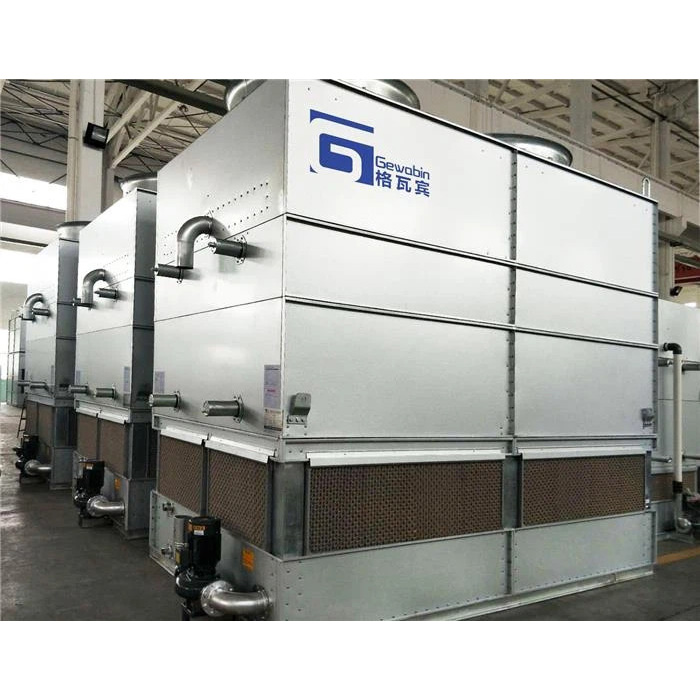
Compared to air-cooled systems, evaporative condensers offer a balanced approach to resource efficiency. While air-cooled systems use little to no water, they typically consume more energy due to higher condensing temperatures. Evaporative condensers, on the other hand, achieve lower energy consumption while using water more efficiently. The result is an optimized balance between water and energy use, which is especially valuable in industries aiming to reduce both operating costs and environmental impact. In industrial environments where water availability is limited or costly, the ability to minimize consumption without sacrificing performance is a major advantage. Evaporative condensers allow businesses to maintain high cooling efficiency while reducing dependence on large volumes of fresh water. This not only lowers utility costs but also supports compliance with environmental regulations related to water usage and discharge.
Sustainability is another important consideration. By reducing water consumption and improving energy efficiency, evaporative condensers contribute to more environmentally responsible operations. Lower water usage reduces the strain on local water resources, while efficient heat transfer reduces energy demand and associated emissions. These benefits align with global trends toward sustainable industrial practices and resource conservation. In conclusion, evaporative condensers play a vital role in reducing water consumption in industrial cooling systems. Through efficient evaporative heat transfer, water recirculation, advanced design features, and optimized water management, they provide a highly effective and sustainable solution for modern industries. By adopting evaporative condenser technology, businesses can achieve reliable cooling performance while conserving water, reducing costs, and supporting long-term environmental goals.