Ensuring Long-Term Reliability in Industrial Refrigeration Systems
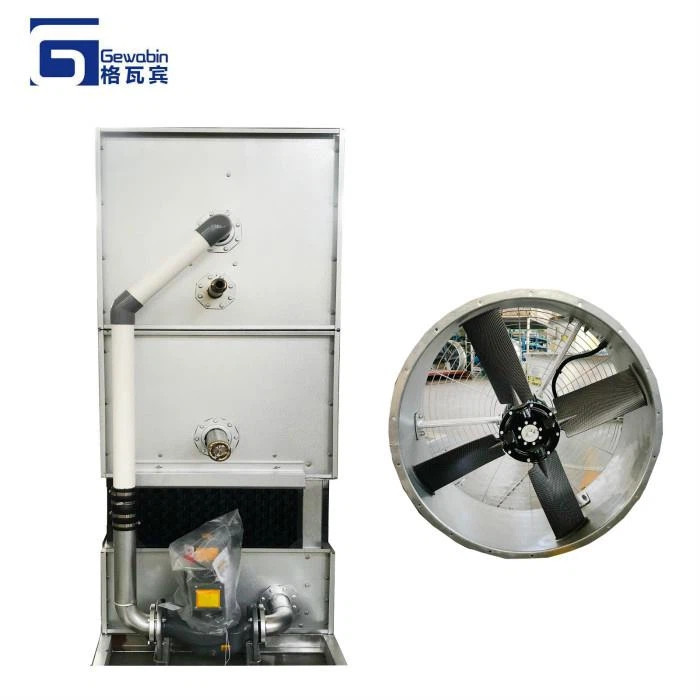
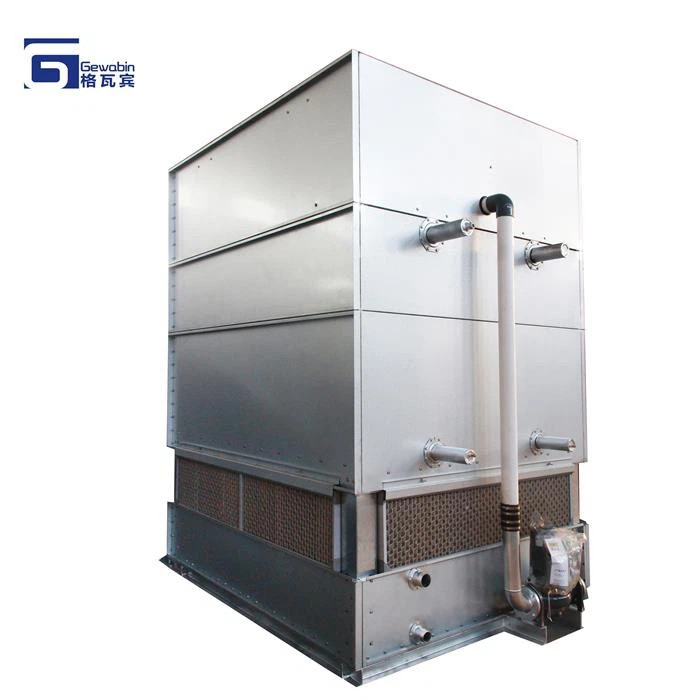
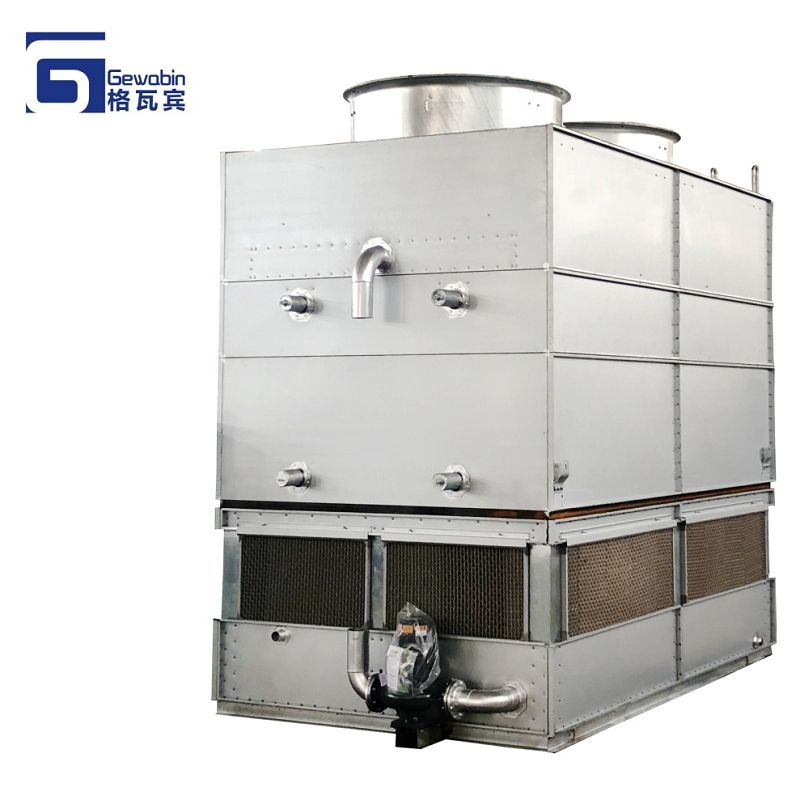
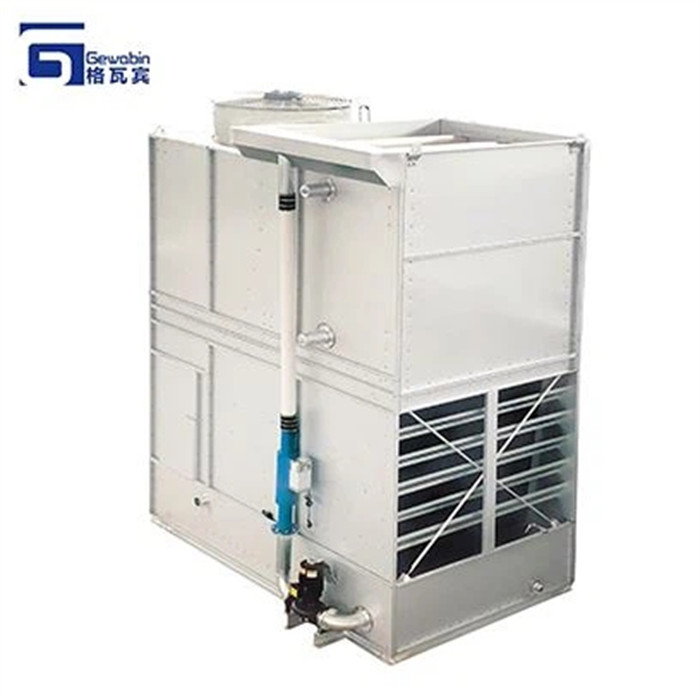
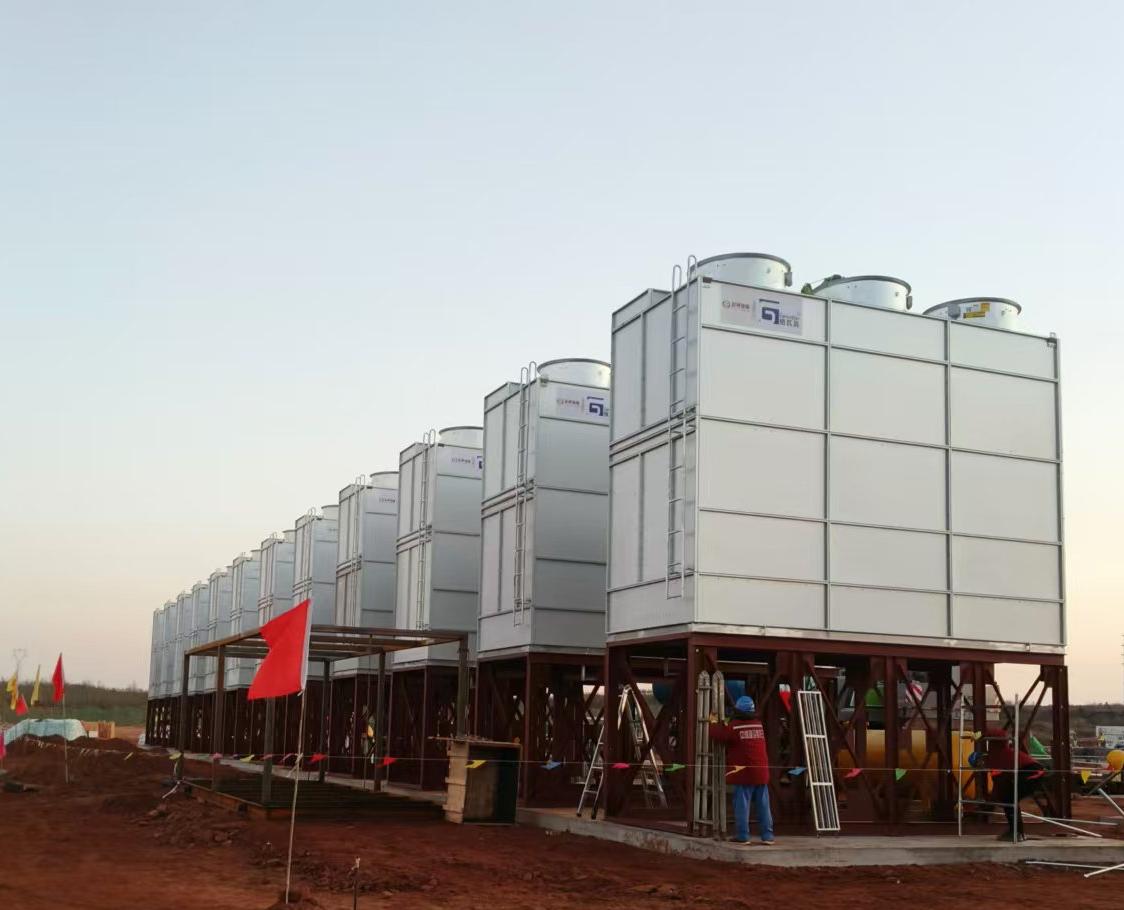
Industrial refrigeration systems are the backbone of many sectors, including food processing, cold storage, pharmaceuticals, chemicals, and energy production. These systems often operate continuously under demanding conditions, making reliability a critical factor for maintaining productivity, safety, and cost efficiency. Ensuring long-term reliability requires a comprehensive approach that combines proper system design, high-quality components, regular maintenance, and advanced operational strategies. A strong foundation for reliability begins with proper system design. Industrial refrigeration systems must be engineered to match specific operational requirements, including cooling capacity, load variability, and environmental conditions. Designing a system with adequate capacity margins ensures stable performance even during peak demand periods. Additionally, selecting the appropriate system configuration—such as evaporative condensers, cooling towers, or air-cooled systems—helps optimize efficiency and reduce unnecessary stress on components.
The use of high-quality equipment and materials is another essential factor. Components such as compressors, heat exchangers, evaporative condensers, and piping systems must be manufactured to withstand high pressures, temperature fluctuations, and continuous operation. Materials like stainless steel or corrosion-resistant alloys are particularly important in harsh environments, as they prevent degradation and extend equipment lifespan. Investing in durable components reduces the likelihood of unexpected failures and minimizes long-term maintenance costs. Regular maintenance plays a central role in ensuring system reliability. Preventive maintenance programs should include routine inspections, cleaning, lubrication, and performance checks. Key areas such as heat exchanger surfaces, condenser coils, and water distribution systems must be kept clean to maintain efficient heat transfer. Monitoring for issues like scaling, corrosion, or refrigerant leaks allows for early intervention before minor problems escalate into major system failures.
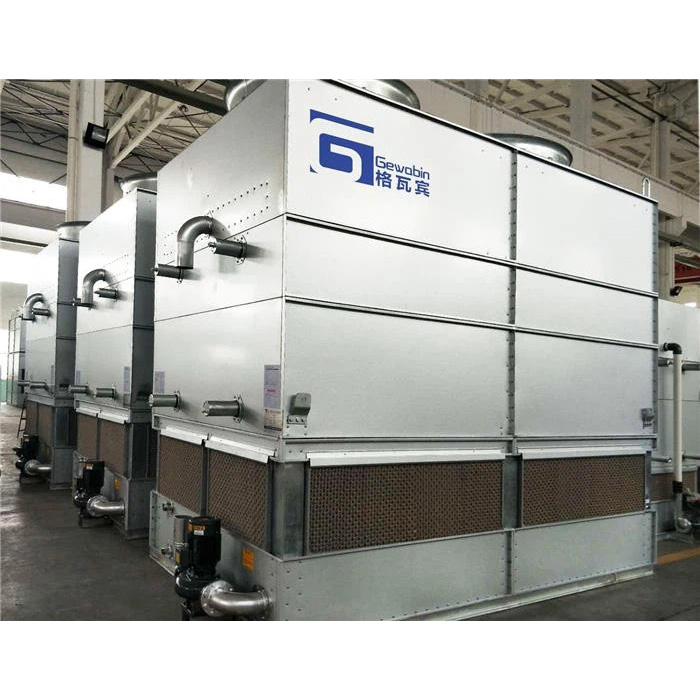
Water treatment and quality management are especially important in systems that use evaporative cooling. Poor water quality can lead to scaling, fouling, and biological growth, all of which reduce heat transfer efficiency and increase wear on equipment. Implementing proper water treatment programs helps maintain system cleanliness, improve performance, and extend the life of cooling components. Another important aspect of reliability is system monitoring and control. Modern industrial refrigeration systems often incorporate advanced control systems and sensors that provide real-time data on temperature, pressure, flow rates, and energy consumption. These monitoring systems enable operators to detect abnormalities early, optimize performance, and make informed decisions. Automated controls can also adjust system operation based on load conditions, reducing unnecessary energy use and mechanical stress.
Energy efficiency is closely linked to long-term reliability. Systems that operate efficiently experience less strain on compressors, fans, and other components, which reduces wear and extends service life. Optimizing airflow, improving heat exchanger performance, and using variable frequency drives (VFDs) for motors can significantly enhance both efficiency and reliability. Lower energy consumption also translates into reduced operating costs, making efficiency improvements a valuable long-term investment. Proper installation and commissioning are equally important. Even the best-designed system can suffer from reliability issues if it is not installed correctly. Ensuring proper alignment, secure connections, and accurate calibration of controls during installation helps prevent operational problems from the outset. Commissioning procedures should verify that all components function as intended and meet performance specifications before the system is put into full operation.
Training and skilled personnel also contribute to system reliability. Operators and maintenance teams must be well-trained in system operation, troubleshooting, and safety procedures. Skilled personnel can identify potential issues early, perform maintenance effectively, and ensure that the system operates within its designed parameters. This human factor is often overlooked but is critical for maintaining consistent performance. Finally, planning for upgrades and modernization is essential for long-term reliability. As technology advances, older systems may become less efficient or more prone to failure. Upgrading components, integrating new control technologies, or retrofitting systems with more efficient equipment can significantly improve reliability and extend system life. Proactive investment in modernization helps businesses stay competitive and avoid costly breakdowns.
In conclusion, ensuring long-term reliability in industrial refrigeration systems requires a holistic approach that combines thoughtful design, high-quality components, proactive maintenance, and advanced monitoring. By focusing on these key areas, businesses can achieve stable operation, reduce downtime, and optimize performance over the lifespan of their refrigeration systems. Reliable refrigeration is not only essential for operational success but also a strategic advantage in industries where efficiency and consistency are critical.