How Closed Circuit Cooling Towers Benefit the Chemical Industry
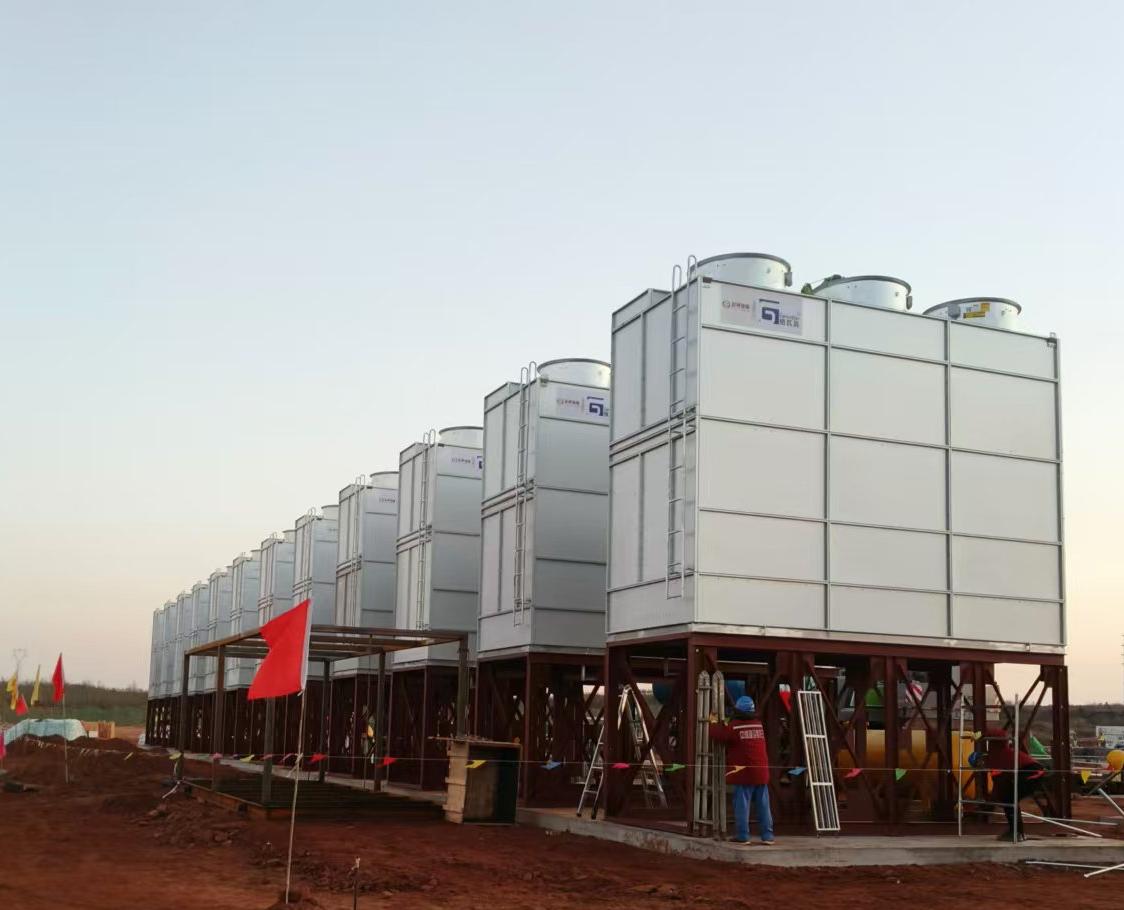
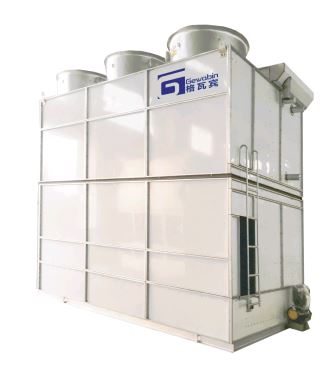
The chemical industry operates in one of the most demanding industrial environments, where precise temperature control, system reliability, and operational safety are critical. Cooling systems play a vital role in maintaining stable production processes, protecting equipment, and ensuring product quality. Among the available cooling solutions, closed circuit cooling towers have become a preferred choice for many chemical plants due to their efficiency, durability, and adaptability. This article explores how closed circuit cooling towers deliver significant benefits to the chemical industry and support long-term, stable operations. Chemical production often involves exothermic reactions that generate large amounts of heat. Maintaining consistent process temperatures is essential to ensure reaction stability, product consistency, and safe operation. Closed circuit cooling towers provide efficient heat rejection by circulating process fluid through a sealed coil system, where heat is transferred to the atmosphere without exposing the fluid to external contaminants. This closed-loop design ensures precise and stable temperature control, even under fluctuating load conditions. For chemical manufacturers, this reliability reduces process deviations, improves yield quality, and minimizes the risk of costly shutdowns caused by overheating or unstable cooling performance.
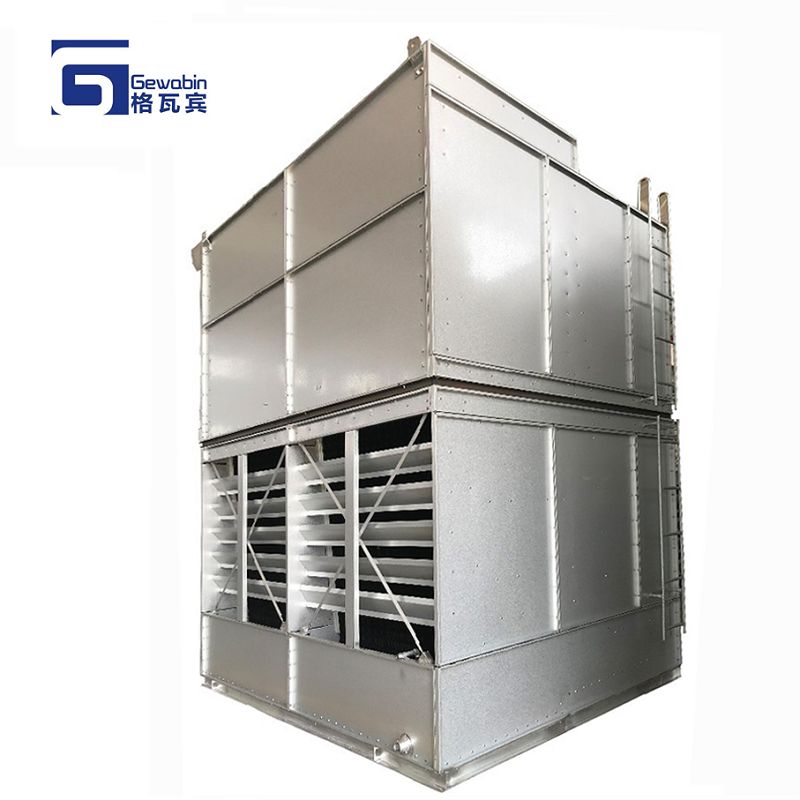
One of the most significant advantages of closed circuit cooling towers in chemical applications is their ability to isolate process fluids from the external environment. Unlike open cooling systems, the process fluid in a closed circuit cooling tower never comes into direct contact with air or cooling water. This isolation is especially important in the chemical industry, where process fluids may be corrosive, hazardous, or highly sensitive to contamination. By preventing exposure to airborne particles, impurities, and microorganisms, closed circuit systems help maintain fluid purity and protect downstream equipment such as heat exchangers, reactors, and pumps. Additionally, reduced contamination lowers the risk of corrosion and scaling, extending the lifespan of the entire cooling system. Safety is a top priority in chemical plants, and closed circuit cooling towers contribute significantly to safer operations. Because process fluids are contained within a sealed coil, the risk of leaks, emissions, or accidental exposure to hazardous substances is minimized. This containment helps protect workers, equipment, and the surrounding environment. From an environmental perspective, closed circuit cooling towers also support sustainable operation. Reduced water consumption, lower chemical treatment requirements, and minimized wastewater discharge make them a more environmentally responsible choice. These benefits help chemical companies meet increasingly strict environmental regulations while maintaining efficient production.
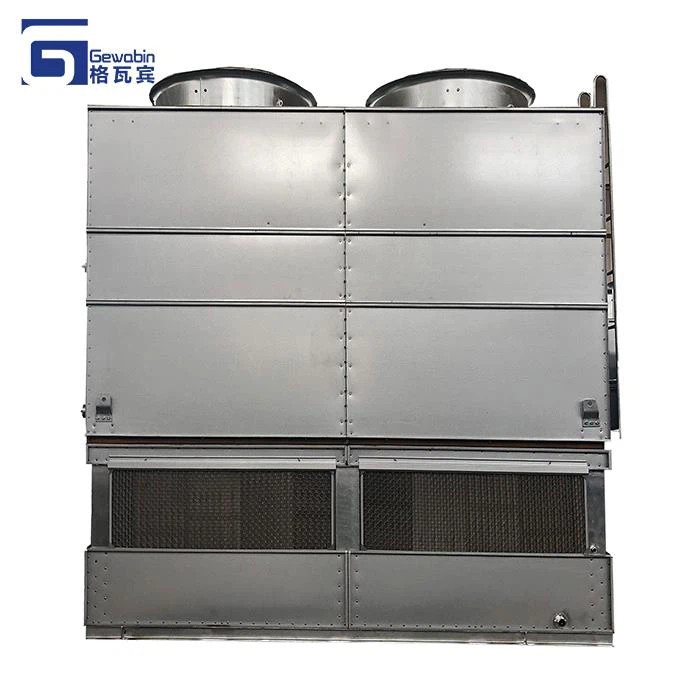
Energy efficiency is a key concern in chemical manufacturing, where cooling systems often operate continuously. Closed circuit cooling towers are designed to optimize heat transfer while minimizing energy consumption. Features such as efficient coil design, optimized airflow, and optional variable-speed fans allow the system to adapt to changing thermal loads and ambient conditions. By operating more efficiently, closed circuit cooling towers reduce electricity consumption and lower overall operating costs. In the long term, these energy savings can be substantial, particularly for large-scale chemical facilities. Additionally, reduced maintenance requirements and longer service life further improve the total cost of ownership. Chemical plants often operate in harsh environments involving high temperatures, corrosive atmospheres, and continuous operation. Closed circuit cooling towers can be customized to meet these challenging conditions by selecting appropriate materials such as stainless steel or specialized coatings. This customization ensures durability, corrosion resistance, and reliable performance even in aggressive chemical environments. Furthermore, closed circuit cooling towers are available in various capacities and configurations, making them suitable for a wide range of chemical processes, from small batch operations to large continuous production lines. Their flexibility allows chemical companies to scale cooling capacity as production demands change.
Maintenance efficiency is another critical factor in the chemical industry, where unplanned downtime can result in significant financial losses. Closed circuit cooling towers typically require less maintenance than open systems because the sealed process loop reduces fouling, scaling, and biological growth. With cleaner internal surfaces and stable operating conditions, maintenance intervals are extended, and system reliability is improved. This results in fewer shutdowns, lower maintenance costs, and more predictable plant operation—key advantages for chemical manufacturers focused on productivity and operational stability. Closed circuit cooling towers offer a comprehensive cooling solution tailored to the demanding needs of the chemical industry. Their ability to provide reliable temperature control, protect against contamination, enhance safety, and improve energy efficiency makes them an ideal choice for modern chemical plants. By investing in a well-designed and properly customized closed circuit cooling tower, chemical manufacturers can achieve greater operational efficiency, regulatory compliance, and long-term cost savings. As the industry continues to prioritize safety, sustainability, and performance, closed circuit cooling towers will remain a critical component of efficient chemical processing systems.