How to Choose the Right Cooling Tower for Your Business Needs
Selecting the right Diyarbakır Escort cooling tower is a critical Escort Diyarbakır decision for businesses that rely on efficient heat rejection to maintain stable operations. Cooling towers are widely used in industries such as refrigeration, manufacturing, Diyarbakır Escort Bayan chemicals, energy, food and beverage, and HVAC systems. The right choice can significantly improve energy efficiency, reduce operating costs, and extend equipment lifespan, while an improper selection may lead to inefficiency, higher maintenance, and operational risks. Understanding the key factors involved will help ensure that your cooling tower matches your business requirements. The first step in choosing the right cooling tower is to clearly define your cooling needs. This includes determining the required heat rejection capacity, cooling range, and approach temperature. These parameters depend on process load, operating hours, and environmental conditions. Businesses with continuous or heavy-duty processes, such as chemical plants or refrigeration facilities, typically require cooling towers designed for stable, long-term operation under high loads. It is also important to consider future expansion. Selecting a cooling tower with some capacity margin allows your system to accommodate increased production demands without major modifications.
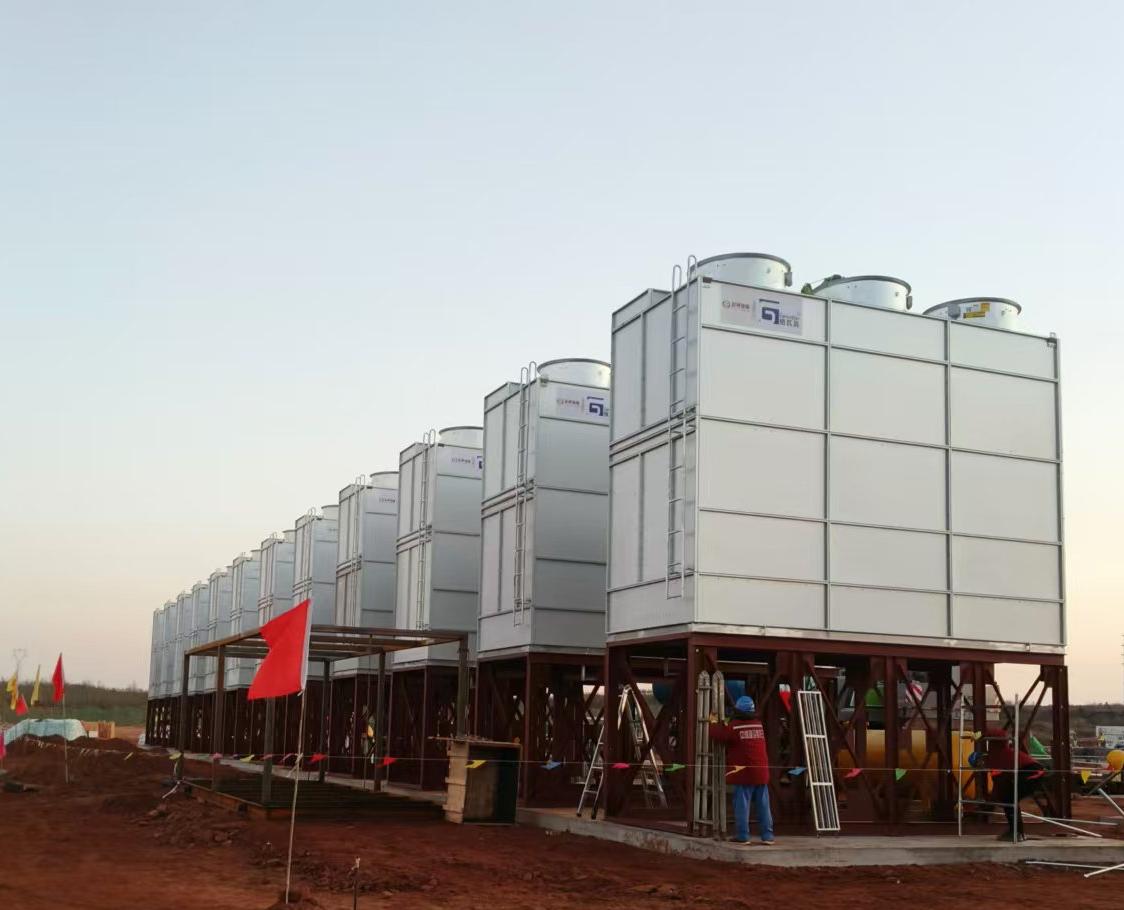
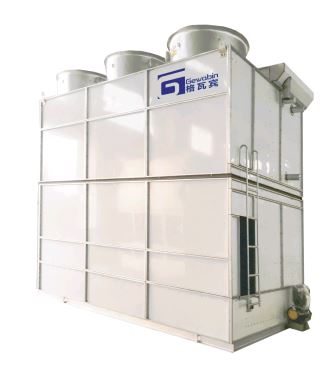
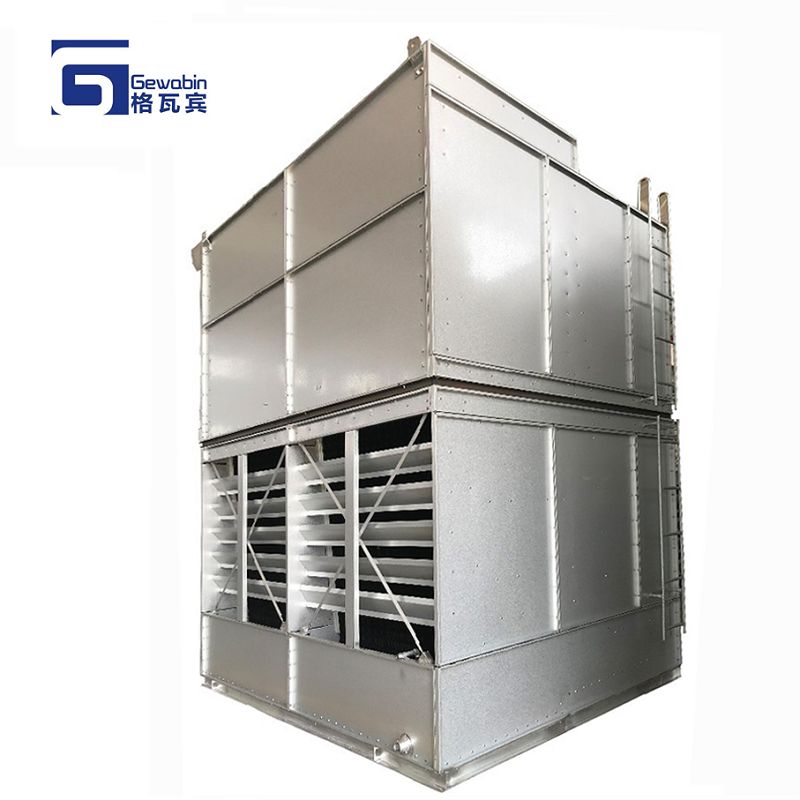
Available installation space plays a major role in cooling tower selection. Cooling towers come in various designs, including cross flow, counter flow, open circuit, and closed circuit configurations. Counter flow cooling towers generally have a more compact footprint and are suitable for sites with limited space, while cross flow towers may require more area but offer easier maintenance access. Site conditions such as noise restrictions, water availability, and local climate should also be assessed. In urban or noise-sensitive areas, low-noise fan designs and sound attenuation options may be necessary. Another important consideration is whether to use an open circuit or closed circuit cooling tower. Open cooling towers allow process water to come into direct contact with air, making them suitable for applications where water quality is less critical. However, they typically require more water treatment and maintenance. Closed circuit cooling towers, on the other hand, keep process fluid sealed within a coil, preventing contamination and reducing scaling and corrosion. These systems are ideal for industries that require clean process fluids, such as food processing, pharmaceuticals, and chemical manufacturing. Although the initial investment may be higher, closed circuit systems often provide long-term savings through reduced maintenance and improved reliability.
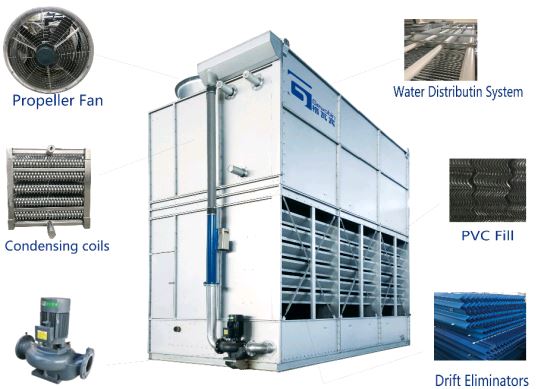
Energy efficiency is a key factor in cooling tower selection, as cooling systems often operate continuously. High-efficiency fans, optimized heat exchange surfaces, and variable frequency drives can significantly reduce energy consumption. Selecting a cooling tower designed to operate close to the ambient wet-bulb temperature helps minimize fan and pump power requirements. It is important to evaluate not only the initial purchase cost but also the total cost of ownership, including energy consumption, water usage, maintenance, and expected service life. A slightly higher upfront investment in an efficient system can result in substantial long-term cost savings. The operating environment should guide material selection for the cooling tower. In corrosive or harsh environments, such as chemical plants or coastal areas, materials like stainless steel, galvanized steel, or advanced composites may be necessary to ensure long-term durability. Proper material selection reduces the risk of corrosion, leakage, and premature failure, helping to maintain consistent performance over time.
Ease of maintenance should not be overlooked. Cooling towers with accessible components, standardized parts, and simple water distribution systems allow for easier inspection and servicing. Reliable after-sales support, spare parts availability, and technical assistance from the manufacturer are also essential factors when choosing a cooling tower for long-term operation. Choosing the right cooling tower requires a comprehensive evaluation of your business’s cooling demands, site conditions, efficiency goals, and long-term operational considerations. By carefully assessing capacity requirements, system type, energy efficiency, materials, and maintenance needs, businesses can select a cooling tower that delivers reliable performance, reduces operating costs, and supports sustainable growth. A well-chosen cooling tower is not just an investment in equipment, but a strategic decision that enhances overall operational efficiency and reliability.