
The Importance of OEM Products in Custom Refrigeration Solutions
In today’s competitive industrial environment, refrigeration systems must do more than simply provide cooling. They must deliver reliability, energy efficiency, regulatory compliance, and long-term cost effectiveness. As industries such as food processing, pharmaceuticals, chemicals, cold storage, and energy continue to demand higher performance standards, custom refrigeration solutions have become increasingly important. Within these tailored systems, OEM (Original Equipment Manufacturer) products play a critical role in ensuring optimal integration, performance stability, and operational reliability. OEM products are specifically designed and manufactured to meet precise technical and operational requirements. Unlike generic or third-party components, OEM refrigeration equipment is engineered with a clear understanding of system compatibility and performance expectations. This ensures that each component—whether it is an evaporative condenser, cooling tower, heat exchanger, or refrigeration accessory—works seamlessly within the overall system. Proper integration reduces the risk of mechanical conflicts, energy inefficiencies, and premature component failure.
One of the primary advantages of OEM products in custom refrigeration solutions is guaranteed compatibility. Custom systems often involve complex configurations tailored to specific cooling capacities, refrigerants, and environmental conditions. OEM manufacturers design products according to exact specifications, including dimensions, materials, pressure ratings, and performance parameters. This precision minimizes installation challenges and ensures that the system operates as designed from the outset. Performance optimization is another significant benefit. Custom refrigeration projects are typically developed to address unique operational demands, such as high ambient temperatures, corrosive environments, or fluctuating load conditions. OEM manufacturers can adjust coil designs, airflow configurations, material selection, and heat transfer surfaces to maximize efficiency under these specific circumstances. This level of customization enhances overall system performance and ensures stable operation even in demanding industrial settings.
Quality control and manufacturing standards further distinguish OEM products from non-original alternatives. Reputable OEM suppliers implement standardized production processes, advanced equipment, and strict inspection protocols to maintain consistent quality. This attention to detail ensures reliable performance, reduced failure rates, and longer equipment lifespan. For industries that depend on uninterrupted refrigeration—such as cold chain logistics or chemical processing—this reliability is essential to maintaining productivity and avoiding costly downtime. Long-term cost efficiency is another compelling reason to prioritize OEM products. While the initial investment may be higher compared to generic components, OEM solutions typically deliver lower total cost of ownership. Enhanced energy efficiency reduces electricity consumption, durable materials minimize repair frequency, and optimized designs extend service life. Over time, these advantages translate into substantial savings, making OEM products a financially sound decision for businesses focused on long-term sustainability.
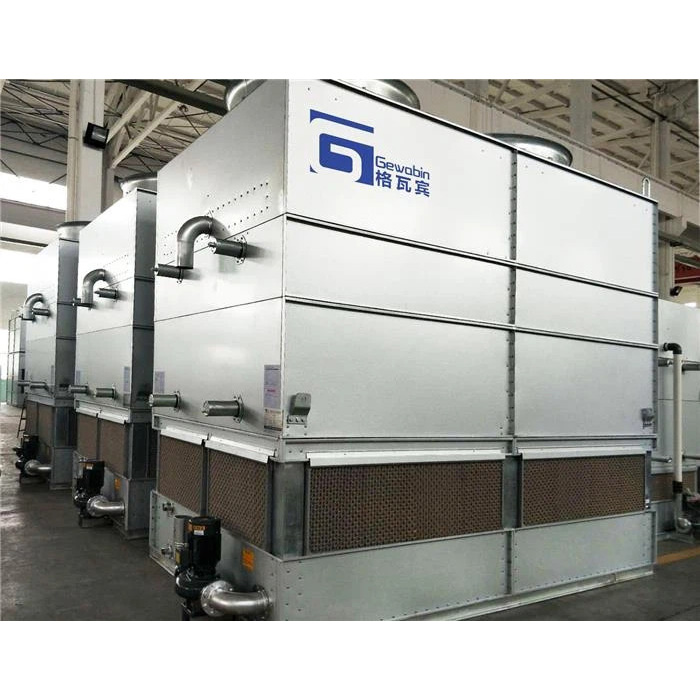
OEM support services also add significant value to custom refrigeration projects. Manufacturers often provide technical consultation during system design, installation guidance, commissioning assistance, and ongoing after-sales support. This comprehensive service ensures that the equipment performs according to specifications throughout its lifecycle. In the event of system upgrades or expansions, OEM suppliers can offer compatible components that integrate smoothly with existing installations, protecting the original investment. Regulatory compliance is increasingly important in modern refrigeration systems, particularly regarding energy efficiency standards, environmental regulations, and safety requirements. OEM products are typically designed to meet or exceed applicable international and local standards. By incorporating compliant equipment into custom refrigeration systems, businesses reduce the risk of regulatory violations and enhance their reputation for quality and responsibility.
In addition, OEM products contribute to improved system reliability and operational stability. Custom refrigeration systems often operate continuously under heavy loads. Equipment failure can disrupt production, damage products, and result in significant financial losses. OEM components are engineered for durability and tested under real operating conditions, ensuring they can withstand demanding environments and maintain consistent performance. Sustainability is another growing consideration in industrial refrigeration. Energy-efficient OEM products help reduce greenhouse gas emissions and lower environmental impact. High-quality materials and precise engineering also reduce waste associated with frequent replacements and repairs. As companies increasingly prioritize environmental responsibility, OEM solutions align with broader sustainability goals while maintaining high performance standards.
In conclusion, OEM products are fundamental to the success of custom refrigeration solutions. Their advantages in compatibility, performance optimization, quality assurance, long-term cost efficiency, regulatory compliance, and technical support make them indispensable in modern industrial applications. By investing in OEM refrigeration equipment, businesses can build reliable, efficient, and future-ready systems that support operational excellence and sustainable growth.