The Role of Evaporative Condensers in Energy Efficiency
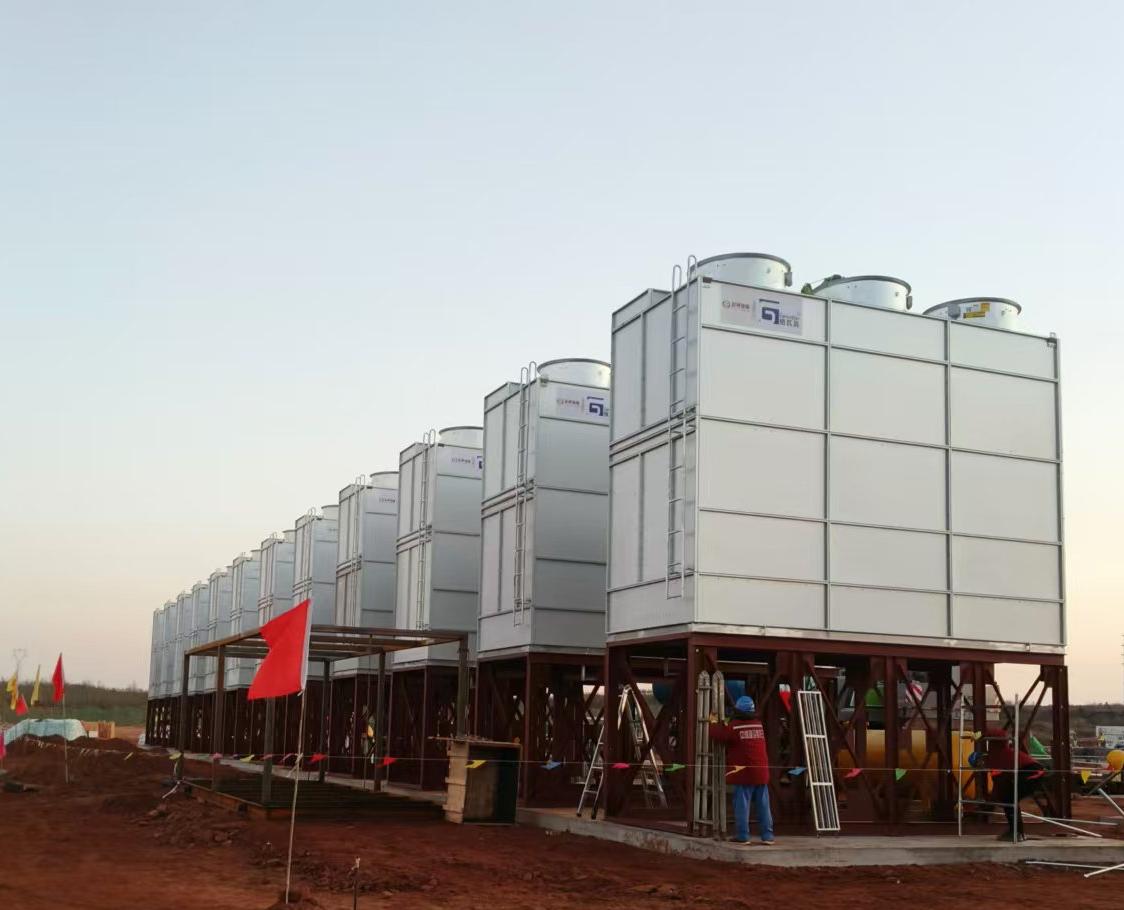
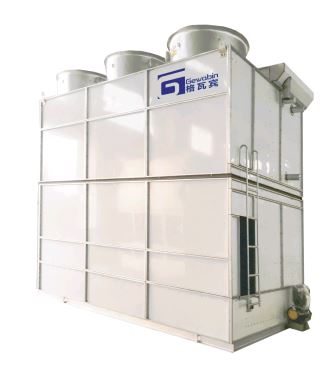
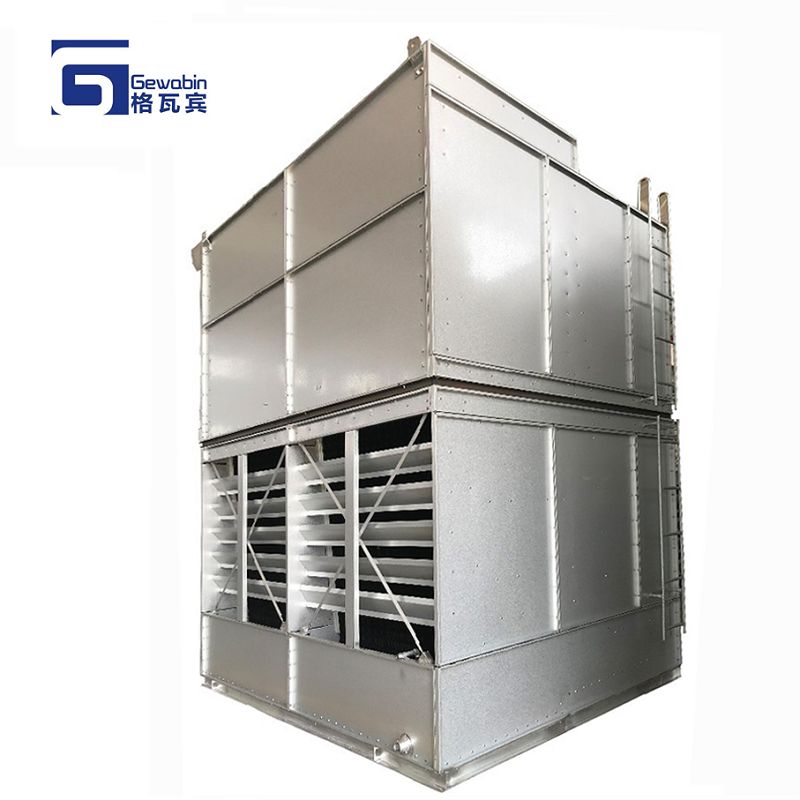
Energy efficiency has become a critical priority across industrial sectors, driven by rising energy costs, stricter environmental regulations, and the global push toward sustainable operations. In refrigeration and cooling systems, evaporative condensers play a vital role in reducing energy consumption while maintaining reliable performance. Widely used in industries such as food and beverage, cold storage, chemicals, pharmaceuticals, and manufacturing, evaporative condensers are recognized as one of the most energy-efficient heat rejection solutions available today. Evaporative condensers combine the functions of a condenser and cooling tower into a single unit. Hot refrigerant gas flows through a coil while water is sprayed over the coil surface. At the same time, air is drawn through the unit by fans. As a portion of the water evaporates, it absorbs a large amount of heat from the refrigerant, allowing the gas to condense efficiently. This process takes advantage of the natural principle of evaporative cooling, which is significantly more effective than sensible heat transfer alone. Because evaporation removes heat at lower temperatures, evaporative condensers can operate closer to the ambient wet-bulb temperature, resulting in lower condensing temperatures and reduced compressor workload.
The compressor is typically the most energy-intensive component in a refrigeration system. By lowering the condensing temperature and pressure, evaporative condensers directly reduce the amount of work the compressor must perform. Even a small reduction in condensing temperature can lead to noticeable energy savings over continuous operation. Compared with air-cooled condensers, evaporative condensers require less electrical input for the same cooling capacity, especially in warm climates or high-load applications. This makes them particularly valuable for industrial facilities operating around the clock, where energy efficiency has a direct impact on operating costs. Evaporative condensers offer superior heat transfer efficiency due to the combined effects of water evaporation and forced airflow. The continuous wetting of the coil surface enhances heat exchange, allowing the system to reject more heat using less energy. Modern evaporative condenser designs further improve efficiency through optimized coil configurations, advanced spray distribution systems, and high-performance fans. These innovations ensure uniform water coverage and airflow, minimizing energy losses and maximizing thermal performance under varying operating conditions.
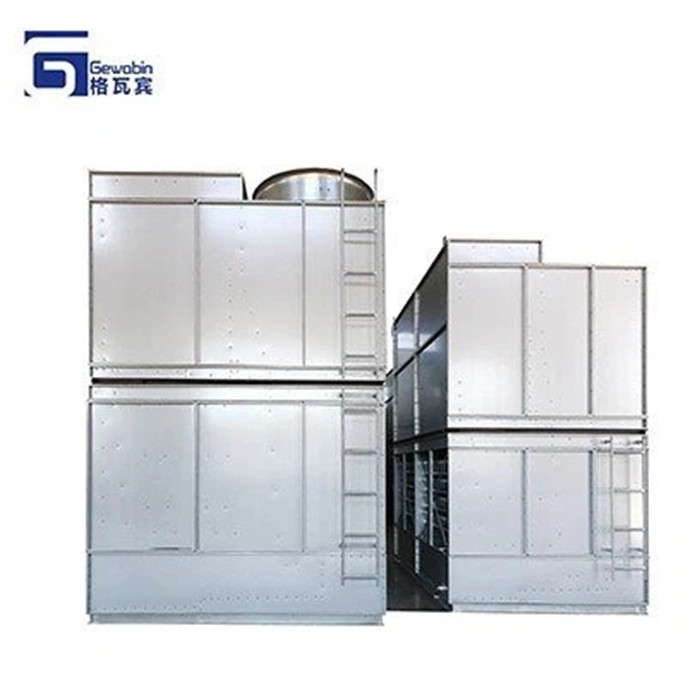
Although evaporative condensers use both fans and water pumps, their overall energy consumption is often lower than alternative systems. Because evaporation is highly effective at removing heat, evaporative condensers typically require lower airflow volumes than air-cooled systems. This results in reduced fan power requirements. Additionally, efficient pump designs and smart control systems allow water flow to be adjusted based on load conditions. Variable frequency drives (VFDs) can further enhance efficiency by matching fan and pump speed to real-time cooling demand, avoiding unnecessary energy use during partial-load operation. While evaporative condensers use water, they often achieve a favorable balance between water and energy consumption. The energy savings achieved by reduced compressor power often outweigh the cost of water usage, particularly in industrial applications with high cooling demands. Closed circuit evaporative condensers further improve efficiency by isolating the process fluid from the cooling water, reducing fouling and maintaining consistent heat transfer performance. Cleaner heat exchange surfaces mean the system operates at peak efficiency for longer periods, reducing both energy and maintenance costs.
Energy efficiency is closely linked to sustainability and environmental responsibility. By consuming less electricity, evaporative condensers help reduce greenhouse gas emissions associated with power generation. Lower compressor energy also reduces wear and extends equipment lifespan, contributing to resource conservation. Many industries use evaporative condensers as part of their strategy to meet energy efficiency standards and environmental regulations. Their ability to deliver high performance with lower energy input makes them an essential component in modern, sustainable refrigeration system design. Evaporative condensers play a crucial role in improving energy efficiency in industrial refrigeration and cooling systems. Through effective use of evaporative cooling, they lower condensing temperatures, reduce compressor energy consumption, and optimize overall system performance. With advancements in design, materials, and control technologies, evaporative condensers continue to offer reliable, cost-effective, and energy-efficient solutions for industries seeking to reduce operating costs and environmental impact. As energy efficiency becomes increasingly important, evaporative condensers remain a proven and valuable choice for sustainable industrial cooling.