Key Design Features of High-Performance Condenser Coils
Condenser coils are among the most important components in refrigeration and cooling systems. Their primary function is to transfer heat from the refrigerant to the surrounding environment, allowing the refrigerant to condense from vapor into liquid form. The efficiency and reliability of the entire refrigeration system depend heavily on the design and quality of the condenser coil. High-performance condenser coils are engineered to maximize heat transfer, improve energy efficiency, and withstand demanding industrial operating conditions. Understanding their key design features helps businesses select the right solution for long-term performance and operational stability. One of the most critical design features of high-performance condenser coils is optimized heat transfer surface area. The greater the contact area between the refrigerant and the cooling medium, the more effectively heat can be removed. Modern condenser coils are designed with enhanced surface structures, such as finned tubes or specialized coil geometries, to maximize thermal exchange. Increased surface area improves cooling efficiency while reducing the overall size of the equipment.
Material selection is another essential factor in condenser coil performance. High-quality materials such as copper, aluminum, and stainless steel are commonly used depending on the application. Copper offers excellent thermal conductivity, making it highly efficient for heat transfer. Aluminum is lightweight and cost-effective, while stainless steel provides superior corrosion resistance in harsh environments such as chemical plants or coastal areas. Selecting the appropriate material ensures durability, reliability, and efficient thermal performance under varying operating conditions. Tube design and configuration also play a major role in overall efficiency. High-performance condenser coils often use optimized tube diameters and internal surface enhancements to improve refrigerant flow and heat exchange. Internally grooved tubes, for example, create turbulence within the refrigerant flow, increasing heat transfer efficiency. Proper tube spacing and arrangement further improve airflow distribution and reduce air resistance, helping the system operate more efficiently.
Efficient airflow management is another key design feature. Condenser coils rely on adequate airflow to remove heat effectively. Advanced coil designs are engineered to minimize airflow resistance while maintaining strong heat transfer performance. Proper fin spacing, coil depth, and airflow pathways help ensure even air distribution across the coil surface. This not only improves cooling efficiency but also reduces fan energy consumption and operating costs. Corrosion resistance is especially important for industrial refrigeration systems operating in challenging environments. Exposure to moisture, chemicals, and outdoor conditions can lead to coil deterioration over time. High-performance condenser coils are often treated with protective coatings or manufactured from corrosion-resistant materials to extend service life. Anti-corrosion coatings help prevent rust, reduce maintenance requirements, and maintain consistent thermal performance throughout the equipment’s lifespan.
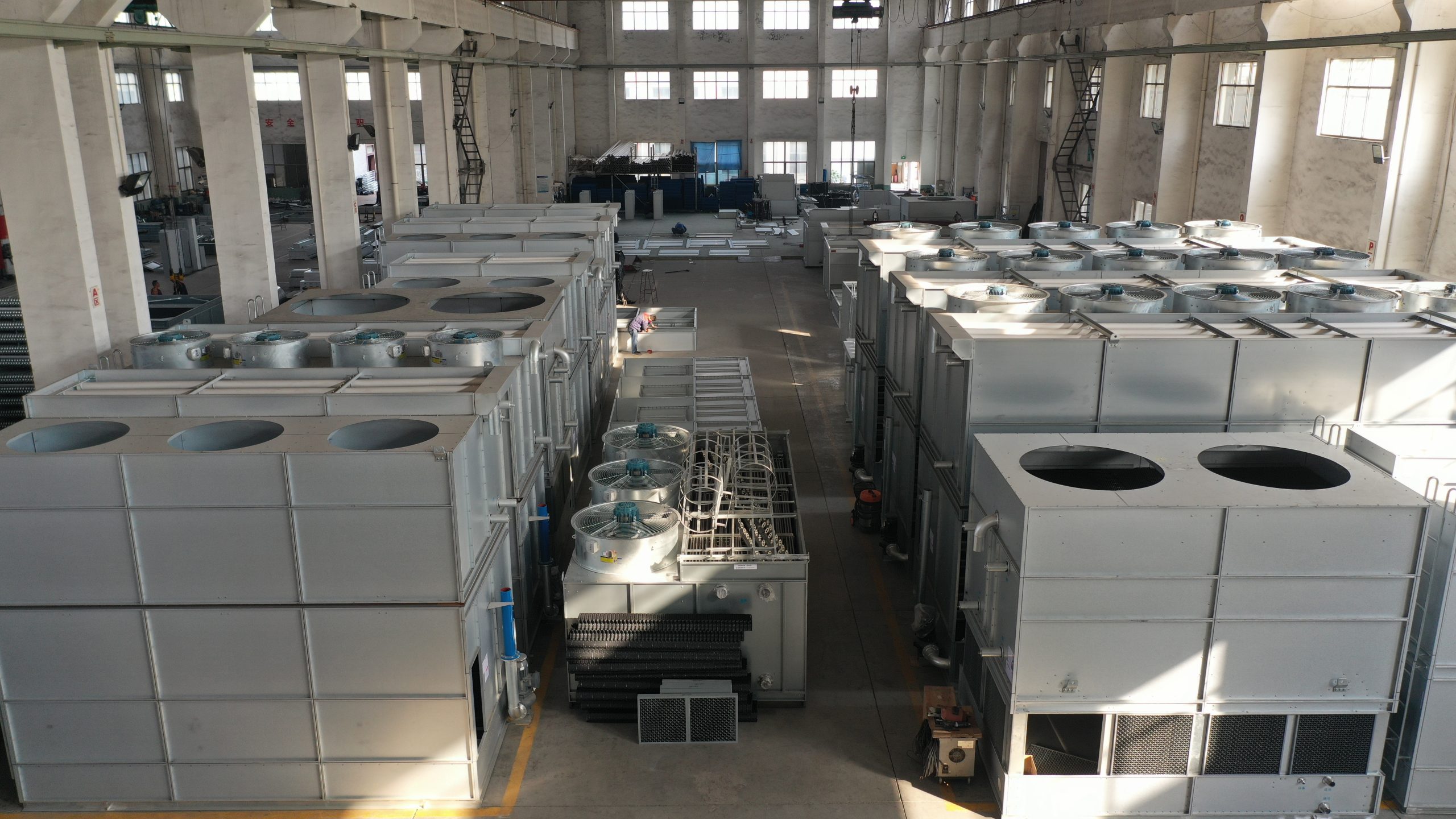
Durability and mechanical strength are equally important in demanding industrial applications. Condenser coils must withstand pressure fluctuations, temperature changes, vibration, and continuous operation. Reinforced coil structures and high-quality manufacturing processes ensure long-term reliability and reduce the risk of leaks or mechanical failure. Strong structural integrity is particularly important in large-scale refrigeration systems where downtime can lead to significant operational losses. Another important feature is compatibility with different refrigerants. As industries increasingly transition toward environmentally friendly refrigerants, condenser coils must be designed to handle varying pressure levels and chemical properties. High-performance coils are engineered to support a wide range of refrigerants, including ammonia, CO₂, and other low-global-warming-potential options, ensuring both efficiency and regulatory compliance.
Ease of maintenance is also a valuable consideration in condenser coil design. Accessible coil layouts and modular construction simplify cleaning, inspection, and servicing. Since dirt, dust, and scale buildup can reduce heat transfer efficiency, easy maintenance helps preserve long-term performance and reduce operational costs. Well-designed coils allow maintenance teams to perform routine tasks quickly and efficiently, minimizing downtime. Energy efficiency remains one of the most significant benefits of advanced condenser coil design. By improving heat transfer performance and reducing airflow resistance, high-performance coils lower compressor workload and decrease overall system energy consumption. This contributes not only to reduced operating costs but also to improved environmental sustainability through lower energy usage and reduced emissions.
In conclusion, high-performance condenser coils are designed with a combination of advanced heat transfer technology, durable materials, efficient airflow management, and corrosion resistance to deliver reliable and energy-efficient operation. Their design directly impacts refrigeration system performance, operating costs, and equipment lifespan. By understanding these key features, businesses can select condenser coils that provide optimal efficiency, long-term durability, and dependable performance in a wide range of industrial applications.