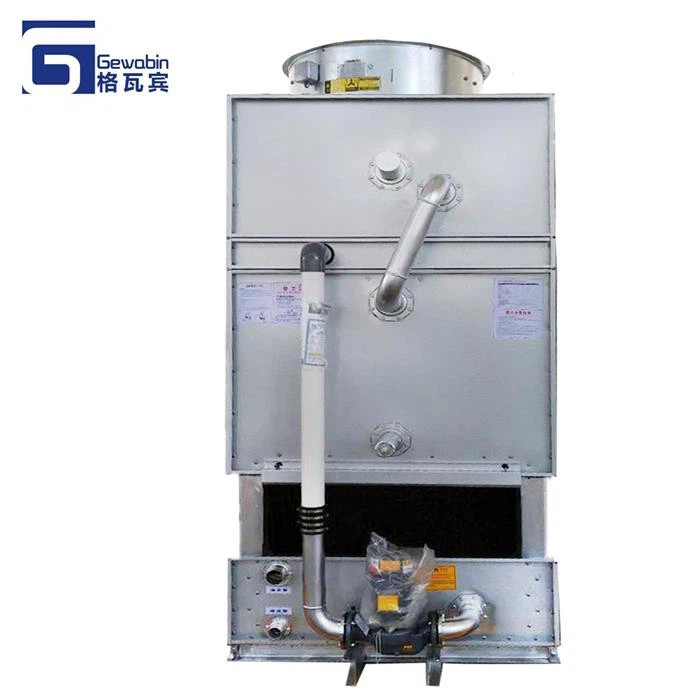
How Cooling Towers Improve Efficiency in Power Plants and Industrial Sites
Cooling towers play a crucial Diyarbakır Escort role in maintaining efficiency in power plants and various industrial facilities. In large-scale Diyarbakır Escort Bayan operations where heat is generated as a byproduct of production or power generation, effective heat rejection is essential to keep equipment operating safely and efficiently. Escort Diyarbakır Cooling towers help remove excess heat from water used in industrial processes, allowing it to be reused in a continuous cycle. By maintaining proper operating temperatures and improving thermal efficiency, cooling towers contribute significantly to energy savings, equipment protection, and stable production. In power plants, cooling towers are particularly important because electricity generation involves high-temperature processes. Whether the plant operates on fossil fuels, nuclear energy, or other thermal energy sources, heat is produced when steam drives turbines to generate electricity. After passing through the turbine, the steam must be condensed back into water before it can be reused in the system. Cooling towers facilitate this process by dissipating heat from the condenser water, allowing it to cool down and return to the system. This efficient cooling cycle helps maintain optimal turbine performance and ensures consistent power generation.
The improved heat rejection capability provided by cooling towers directly impacts overall system efficiency. When condenser water is cooled effectively, the pressure inside the condenser decreases, which allows the steam turbine to operate more efficiently. This means the plant can produce more electricity from the same amount of fuel. Even small improvements in cooling efficiency can result in significant gains in energy output and reduced operational costs over time. Cooling towers also play an important role in reducing water consumption in power plants and industrial facilities. Instead of continuously discharging heated water and replacing it with fresh water, cooling towers allow water to be recirculated through the system. The heat is removed through the evaporation process, where a small portion of the water evaporates while carrying away heat energy. This recirculating process significantly reduces the need for large volumes of fresh water, making cooling towers a more sustainable solution for industrial cooling.
Industrial facilities such as chemical plants, steel mills, refineries, and manufacturing sites also rely heavily on cooling towers to maintain stable operations. Many industrial processes generate large amounts of heat that must be removed to prevent equipment damage or production interruptions. Cooling towers help regulate temperatures in machinery, heat exchangers, compressors, and other process equipment. By maintaining controlled operating temperatures, cooling towers help ensure that industrial systems run efficiently and reliably. Another important advantage of cooling towers is their contribution to equipment longevity. Excess heat can place significant stress on machinery and process systems. When equipment operates at higher temperatures than recommended, it can lead to accelerated wear, reduced performance, and potential mechanical failure. Cooling towers help maintain safe operating conditions by continuously removing heat from the system, which extends the lifespan of expensive industrial equipment and reduces maintenance costs.
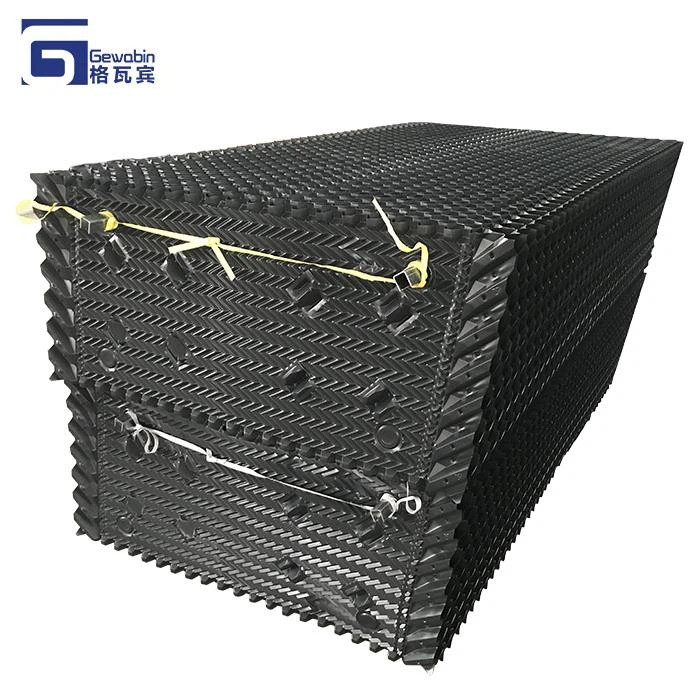
Energy efficiency is another key benefit of cooling towers. Modern cooling tower designs incorporate advanced airflow systems, high-performance fill materials, and efficient water distribution systems to maximize heat transfer. These improvements allow cooling towers to achieve higher thermal performance while using less energy. In large industrial operations, these energy savings can be substantial, contributing to lower electricity consumption and reduced operating expenses. Cooling towers also support environmental sustainability in industrial operations. By recirculating water and improving energy efficiency, they help reduce both water usage and greenhouse gas emissions associated with energy production. Many facilities are increasingly adopting high-efficiency cooling tower technologies as part of their efforts to meet environmental regulations and sustainability goals.
Maintenance and operational reliability are also key considerations for industrial cooling systems. Well-designed cooling towers are built with durable materials and modular components that allow for easy inspection, cleaning, and repair. Proper maintenance ensures that the cooling tower continues to perform efficiently and prevents issues such as scaling, corrosion, or biological growth that could affect heat transfer performance. In conclusion, cooling towers are essential components in power plants and industrial facilities where effective heat management is required. By removing excess heat, improving turbine and equipment performance, reducing water consumption, and supporting energy efficiency, cooling towers contribute significantly to the overall productivity and sustainability of industrial operations. As industries continue to prioritize efficiency and environmental responsibility, cooling towers will remain a key technology in modern power generation and industrial cooling systems.