Common Problems in Cooling Towers and How to Prevent Them
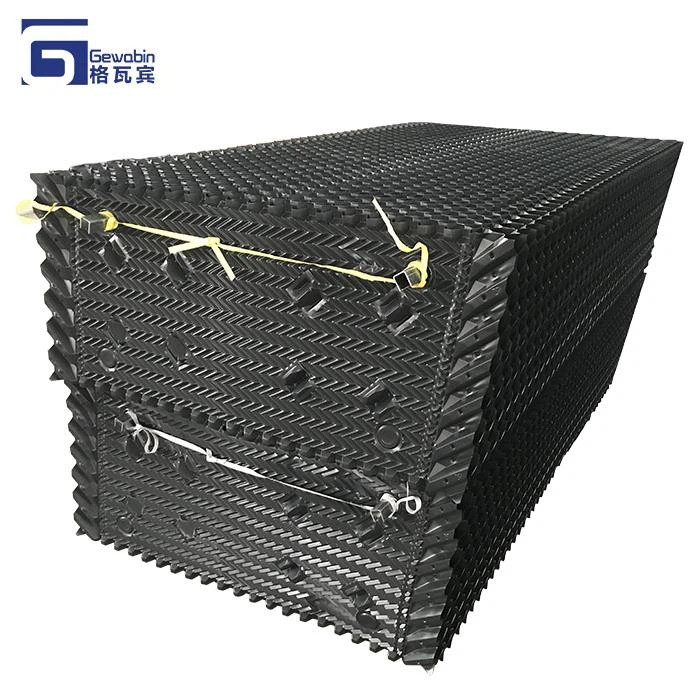
Cooling towers are essential components in industrial refrigeration, HVAC systems, power plants, and manufacturing facilities. Their role in removing excess heat helps maintain efficient and stable operations across many industries. However, because cooling towers continuously operate under demanding conditions involving water, air, heat, and environmental exposure, they are vulnerable to various operational problems. Understanding the most common issues and implementing preventive measures is critical for maintaining efficiency, extending equipment lifespan, and reducing downtime. One of the most common problems in cooling towers is scaling. Scaling occurs when minerals dissolved in water, such as calcium and magnesium, accumulate on heat exchange surfaces and internal components. These deposits reduce heat transfer efficiency, restrict water flow, and increase energy consumption. To prevent scaling, proper water treatment programs should be implemented. Regular monitoring of water chemistry, maintaining balanced pH levels, and controlling cycles of concentration help minimize mineral buildup. Routine cleaning and inspection of fill packing and heat exchange surfaces are also essential.
Corrosion is another major concern in cooling tower systems. Continuous exposure to water, oxygen, and environmental contaminants can cause metal components to deteriorate over time. Corrosion weakens structural integrity, damages pipes and coils, and may lead to leaks or system failure. Preventive measures include using corrosion-resistant materials such as stainless steel, applying protective coatings, and maintaining proper water treatment. Monitoring water quality and avoiding excessive chemical imbalance can significantly reduce corrosion risks. Biological growth is also a frequent issue in cooling towers. Warm water and moist conditions create an ideal environment for algae, bacteria, and fungi to grow. Biological contamination can clog nozzles, reduce heat transfer efficiency, and create health risks such as Legionella bacteria. Preventing biological growth requires regular water treatment with biocides, proper filtration, and routine system cleaning. Maintaining consistent water circulation and avoiding stagnant water areas also help control microbial activity.
Poor water distribution can negatively affect cooling tower performance. Uneven water flow across the fill material reduces heat transfer efficiency and creates dry spots, leading to reduced cooling capacity. This issue may result from clogged spray nozzles, damaged distribution systems, or improper maintenance. Regular inspection and cleaning of spray nozzles and water distribution components help ensure even water coverage and stable operation. Drift loss is another operational challenge. Drift refers to small water droplets carried away by the airflow leaving the cooling tower. Excessive drift not only wastes water but can also spread chemicals and contaminants into the surrounding environment. Installing high-efficiency drift eliminators and ensuring proper airflow design significantly reduces water loss and environmental impact. Regular maintenance of eliminators helps maintain their effectiveness over time.
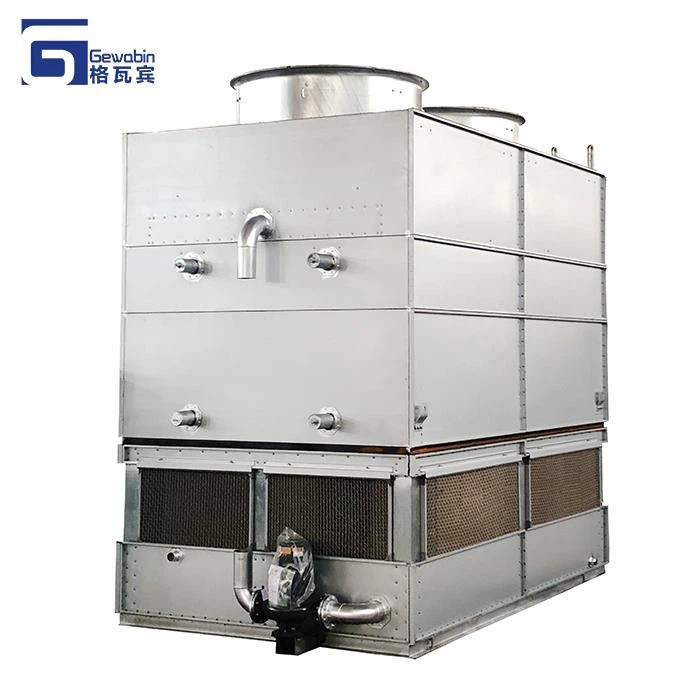
Fan and motor failures are also common in cooling tower systems due to continuous operation and exposure to moisture and vibration. Damaged bearings, belt wear, misalignment, or electrical issues can reduce airflow and cooling performance. Preventive maintenance programs should include regular inspection of fans, motors, belts, and electrical connections. Lubrication, vibration monitoring, and timely replacement of worn components help avoid unexpected breakdowns. Fouling and debris accumulation can also reduce cooling tower efficiency. Dust, dirt, leaves, and airborne particles can collect inside the system, obstruct airflow and water flow, and reduce heat transfer performance. Routine cleaning and proper filtration systems are important to minimize fouling. Installing screens or air inlet protection can also help reduce debris entering the tower.
Water loss and inefficient water management are additional concerns. Excessive evaporation, leaks, or blowdown can increase water consumption and operational costs. Monitoring water levels, maintaining proper float valve operation, and implementing efficient blowdown control systems help optimize water usage. Regular inspection for leaks and damaged components is equally important. Noise and vibration problems may arise in cooling towers due to fan imbalance, structural issues, or mechanical wear. Excessive vibration can damage equipment and reduce system reliability. Proper installation, balancing of rotating components, and routine mechanical inspections help maintain smooth and quiet operation.