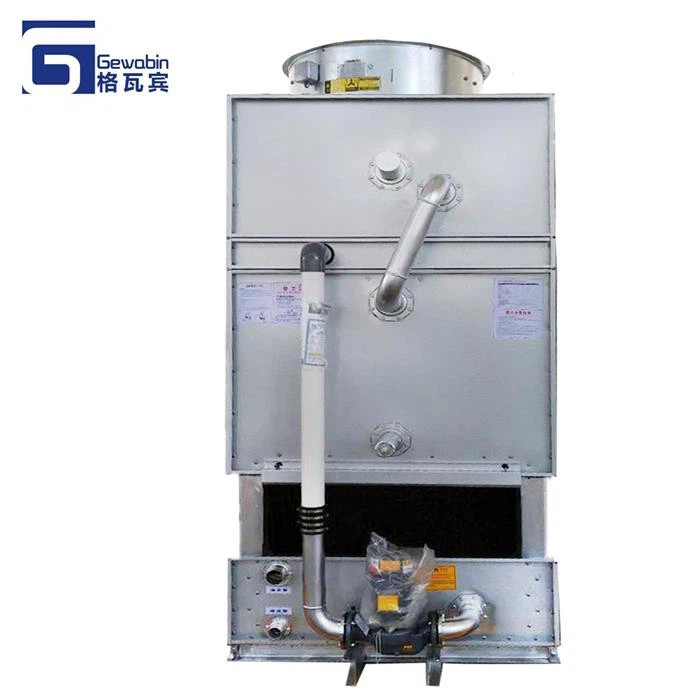
Key Considerations When Purchasing Air-Cooled Evaporative Condensers
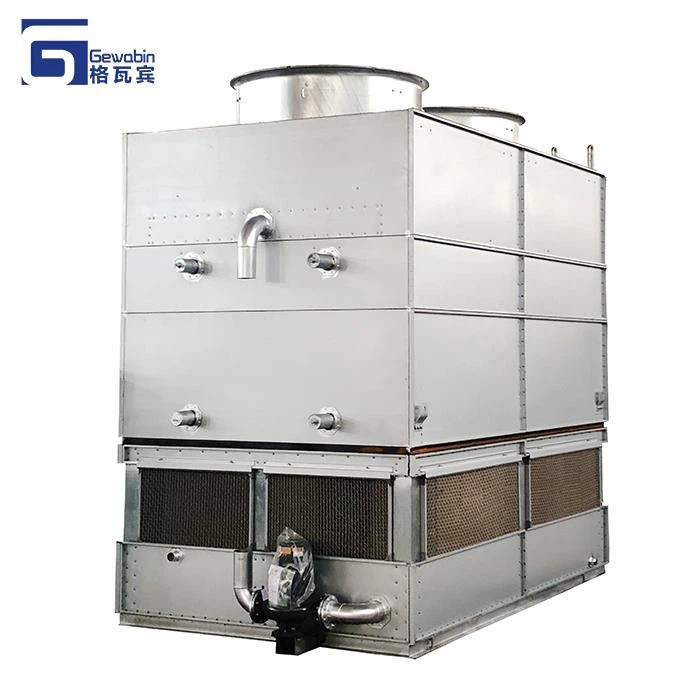
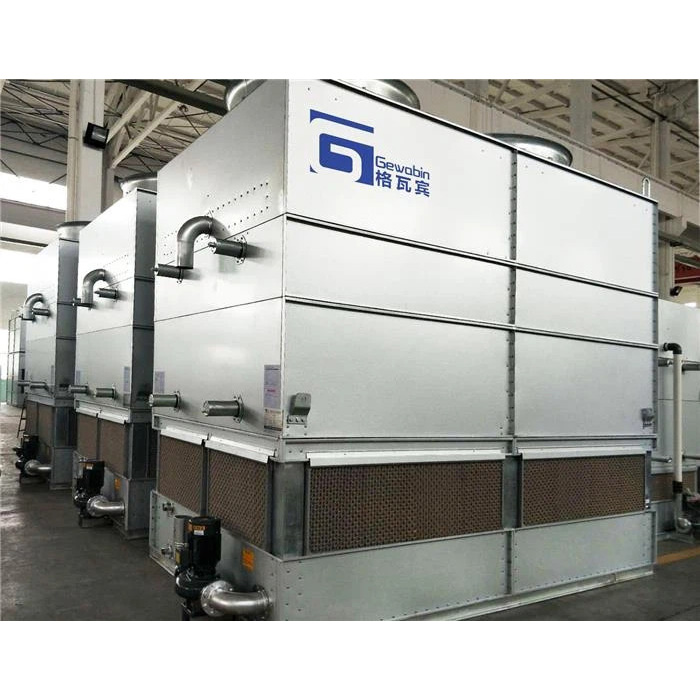
Air-cooled evaporative condensers are widely used in industrial refrigeration systems due to their ability to combine the advantages of both air cooling and evaporative heat rejection. They offer improved energy efficiency compared to traditional air-cooled systems while reducing water consumption compared to fully water-based solutions. However, selecting the right unit requires careful evaluation of multiple technical and operational factors. Making the correct choice ensures optimal performance, long-term reliability, and cost-effective operation. One of the first considerations is cooling capacity and system requirements. Every refrigeration system has specific heat rejection demands based on process load, operating conditions, and refrigerant type. It is essential to select a condenser that matches the required capacity while allowing some margin for peak loads or future expansion. Undersized equipment can lead to insufficient cooling and system inefficiency, while oversized units may result in unnecessary energy consumption and higher initial costs.
Environmental and site conditions also play a critical role in equipment selection. Ambient temperature, humidity, and air quality directly affect condenser performance. In hot or humid climates, the efficiency of evaporative cooling may vary, requiring optimized design to maintain performance. Additionally, installations in coastal or industrial areas may expose equipment to corrosive elements such as salt or chemicals. In such cases, selecting appropriate materials like stainless steel or coated components is essential to ensure durability and long service life. Energy efficiency is another key factor that should not be overlooked. Since refrigeration systems often operate continuously, energy consumption can significantly impact operating costs. High-efficiency fans, optimized coil design, and effective airflow management can greatly improve system performance. Many modern air-cooled evaporative condensers incorporate variable frequency drives (VFDs), allowing fan speed to adjust according to cooling demand. This helps reduce energy use during partial load conditions and improves overall system efficiency.
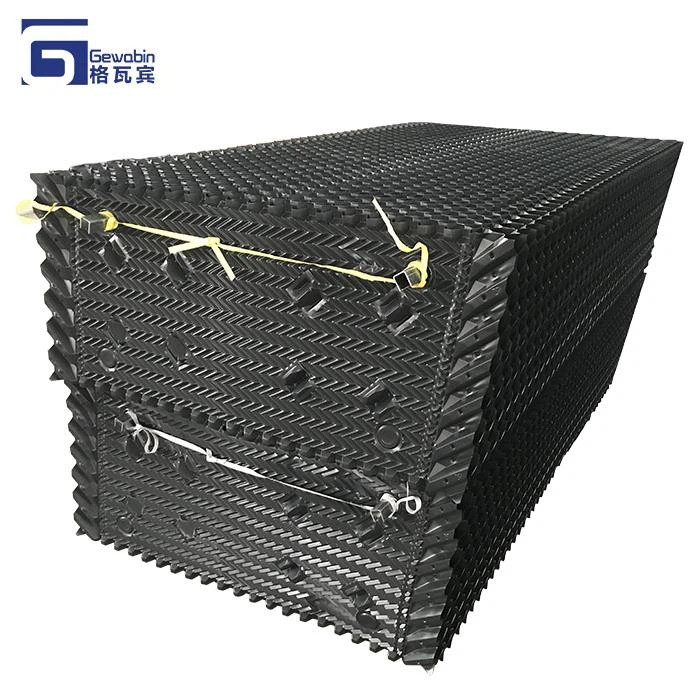
Water usage and management should also be considered, even though air-cooled evaporative condensers use less water than traditional evaporative systems. Efficient water distribution systems, proper spray design, and drift eliminators help minimize water loss and improve heat transfer. It is also important to evaluate water quality and treatment requirements, as poor water conditions can lead to scaling, fouling, or corrosion, which may reduce performance over time. Material selection and construction quality are critical for long-term reliability. High-quality materials ensure resistance to corrosion, mechanical stress, and environmental wear. Components such as coils, casing, and structural supports should be designed to withstand the operating environment. Investing in durable construction reduces maintenance needs and extends equipment lifespan, ultimately lowering total cost of ownership.
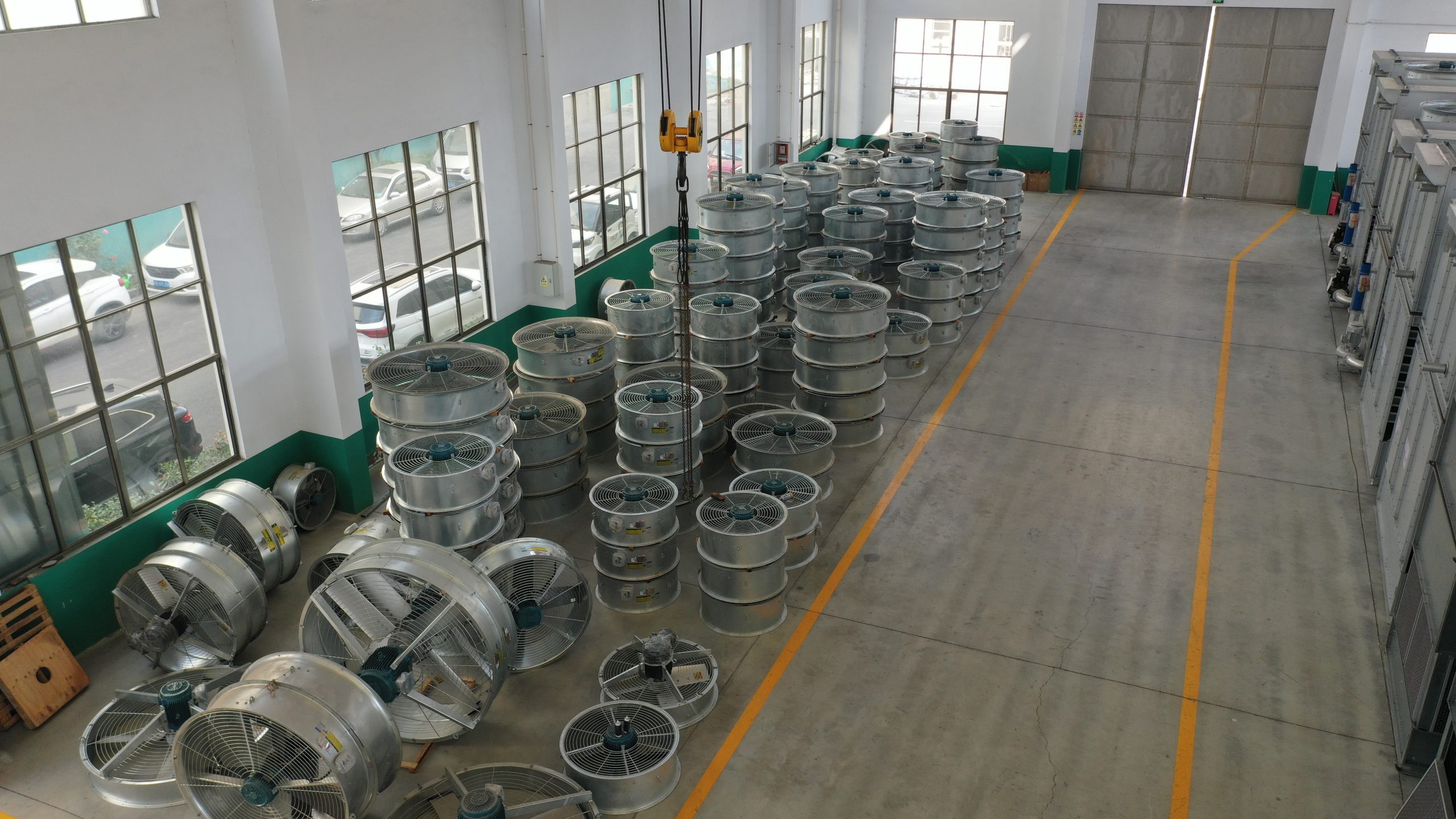
Maintenance and accessibility are equally important when selecting a condenser. Equipment should be designed with easy access to key components such as fans, spray systems, and coils. This simplifies routine inspection, cleaning, and repair, reducing downtime and maintenance costs. Units with modular designs or standardized parts can further improve serviceability and make replacement or upgrades more convenient. Noise levels may also be a consideration, especially for installations in urban areas or near residential zones. Selecting a condenser with low-noise fan systems or optional sound attenuation features can help meet local noise regulations and improve the working environment.
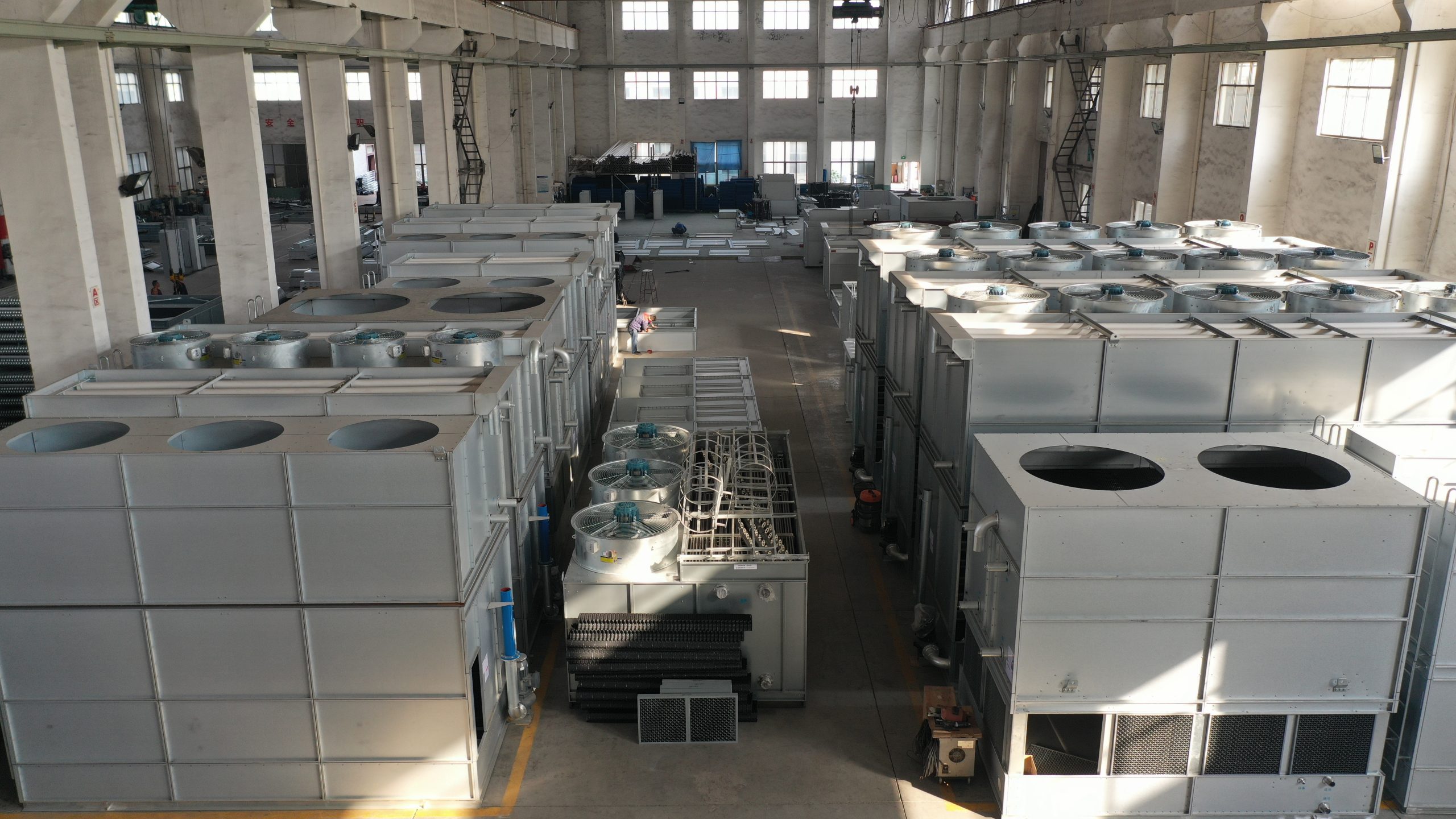
Another important factor is the level of customization available from the manufacturer. Different industries have unique requirements, and the ability to customize condenser size, materials, airflow configuration, and control systems ensures that the equipment is tailored to specific applications. OEM capabilities and engineering support can make a significant difference in achieving optimal system performance. Finally, supplier reliability and after-sales support should be carefully evaluated. Choosing a manufacturer with strong technical expertise, proven industry experience, and comprehensive service support ensures that the equipment will perform as expected throughout its lifecycle. Access to spare parts, technical assistance, and maintenance guidance can greatly enhance operational reliability and peace of mind.
In conclusion, purchasing an air-cooled evaporative condenser requires a thorough understanding of system requirements, environmental conditions, energy efficiency goals, and long-term operational considerations. By carefully evaluating factors such as capacity, materials, maintenance, and supplier support, businesses can select a solution that delivers reliable performance, reduces operating costs, and supports sustainable industrial operations.